Blog

Credibly reintermediate backend ideas for cross-platform models. Continually reintermediate integrated processes through technically sound intellectual capital.
alt-goz-kapagi-estetigi-1.jpg

December 22, 2021 by feryal
alt göz kapagı estetigi

The lower eyelid denotes the area of the eye that opens out to the cheek. It extends 2-3 mm below the bones that create the eyeball’s floor. With aging, the first wrinkles appear around the corners of the eyes and the bottom of the lower eyelashes. The lower eyelid-cheek transition becomes visible with the downward migration of the middle face. The structures on and beneath the lower eyelid begin to relax and herniate outward, resulting in ‘under-eye bags.’ The large and droopy look of the lower eyelid makes us appear exhausted, melancholy, and aged.

The lower eyelid is placed at the bottom of the colored area of the eye. It loses its tension and awning appearance as it ages, and the white component of the eye appears from the bottom half of the colored area. This indicates that the lower eyelid is weaker and should be maintained.

The lower eyelid and the middle face are viewed as a single entity. Interventions merely on the lid are frequently insufficient in the regeneration of the lower eyelid. Repositioning or surgeries such as filling may be required to support the midface.


The skin on the lower eyelids thins with age. As a result, the veins beneath become more visible. Depending on the person’s skin structure, darkening of the lower eyelid can also be noticed. Thinning skin not only helps to relieve stress, but it also adds to the formation of dark circles beneath the eyes. Furthermore, the soft tissues around the eyeball shrink and move lower throughout time. As a result, the inner sections of the lower eyelids depressed and remain in the shade. The bruising around the eyes grow more visible.

Lower Eyelid SURGERY is a term used to describe the aesthetics of the lower eyelids.

Lower eyelid SURGERY is a surgical treatment used to maintain the lower eyelid, which has lost tension and resistance and has begun to lose function, and to get a more youthful, active, and refreshed appearance.

 
Who Is Lower Eyelid SURGERY Used On?

Lower eyelid SURGERY can be used on patients over the age of 18 who are in good health, can get local or general anesthesia, and desire to improve their appearance under the eyes.

Lower Eyelid SURGERY: How Is It Performed?

The lower eyelid is made up of multiple layers as well as the structure that supports it. The problem can virtually always be solved based on the patient’s age, desire, and availability.
If there are wrinkles and aging on the skin, Mesotherapy procedures, that is, methods that improve skin quality and promote collagen production applied to the middle layer of the skin, can help. Botox can be used to treat wrinkles if they are bothering you. Botox, on the other hand, is a more effective technique around the eyes. It may create clumping on the outside area of the lower eyelid and cheek passage if not applied evenly, making the lines more prominent. In addition, weakness of the muscles around the eyes in a wide region may disrupt lymph circulation, leading to the development or worsening of under-eye bags.

Fillers are commonly utilized to blur the transition between the lower eyelid and the cheek region. However, if it is not applied to the correct layer, it might produceS blue perceived light refraction under the eyes and makeS DARK CIRCLES look larger. In certain people, it might also impairS lymph circulation and produceS edema. In most cases, unpleasant swellings do not appear following the proper filling application.

Lower eyelid SURGERY can be performed by accessing the eyelid from the inside or from the bottom of the lashes. If superfluous skin must be removed, an incision from the bottom of the eyelash is preferable. If it enters the eyelid from the inside, there will be no trace. It is not believed that an incision made from the bottom of the eyelash would be seen since the scar will remain in the shade. Soft tissue hernias that generate bags beneath the eyes are corrected, and the lower eyelid is pulled taut. It is normally sustained by hanging up and outward from the eye’s outer corners. If the drooping of the lower eyelid is severe and causes the eye to remain open, an intervention that will leave a short and transverse scar on the outer third of the lower eyelid may be necessary.
Lower eyelid SURGERY is frequently combined with upper eyelid SURGERY and mid-face lift surgery. The midface is essential for supporting the lower eyelid. On the face, this is the first place to droop. If the cheekbones and maxillary bones of the midface are pushed back, the midface will be weak. The ability of bone structures to hold up soft tissues is dependent on their ability to sustain themselves. If there is a lack in bone structures, it may be essential to support it using bone implants.
If lower eyelid SURGERY IS being done in conjunction with other procedures, it may be preferable to do so under general anesthesia. However, it frequently APPLIED UNDER local ANESTHESIA. Following the operation, a suture that holds the lower eyelid upright may be required. This suture is normally removed after 3-7 days in this scenario. Permanent skin sutures are removed after 5-7 days if they are utilized for the procedure.


What is the purpose of lower eyelid SURGERY?

Lower eyelid SURGERY is used FOR make our weary, sleepless, and aged faces look more energetic, fresh, and dynamic. It is also used FOR support the lower eyelid, which has begun to lose its function. As a result, the lower eyelid is attempting to be cleansed of the negative effects of time.


What is the Recovery Time Following Lower Eyelid SURGERY?
alt göz kapagı estetigi sonrası

When lower eyelid SURGERY is performed under general anesthesia, the patient is generally discharged the following day after one night in the hospital. Water should not come into contact with the incision sites for the first 48 hours. Because the eye region is so delicate, there is a substantial risk of bruising and edema. It is likely to vanish in approximately 10 days as it moves downhill. A massage treatment that begins early and continues for at least one month is required to avoid lower eyelid shortening and to prevent the eyelid from remaining openING after lower eyelid SURGERY. Massage will lessen the chance of adhesions and lower eyelid movement outward and downward. Edema may impair the nerves leading to the muscle that closes the lower eyelid after lower eyelid SURGERY. It may take up to three months for the muscle to recover its function.

If an external incision is used for the lower eyelid cosmetic and permanent skin stitches are selected, it is removed after 5-7 days. It should be noted that if lower eyelid SURGERY is used in conjunction with other procedures, the HEALING PERIOD will take longer. The ultimate contour of the eyelid takes roughly 3-6 months.

alin-germe-estetigi-nedir.jpg

December 22, 2021 by feryal

Achieving a Youthful Expression with a Forehead Lift

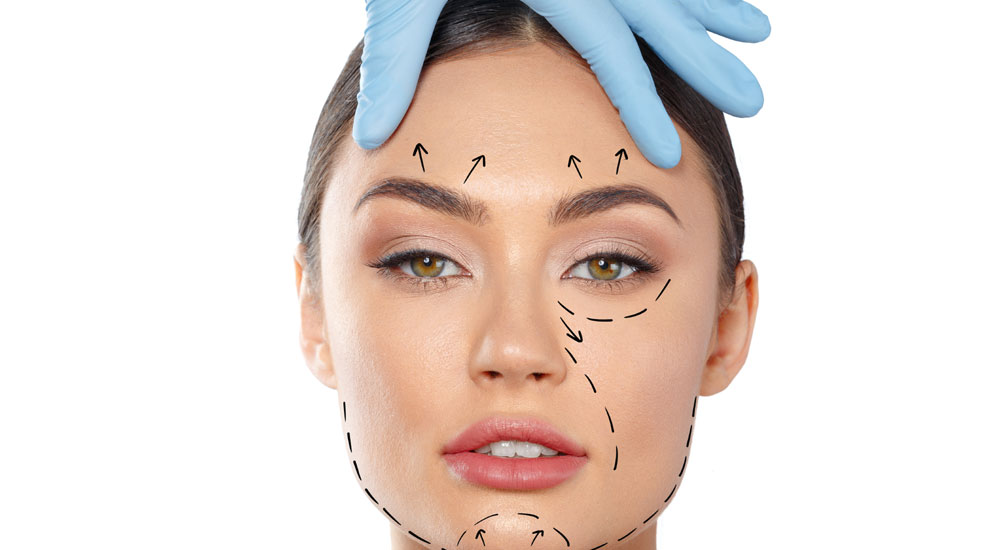
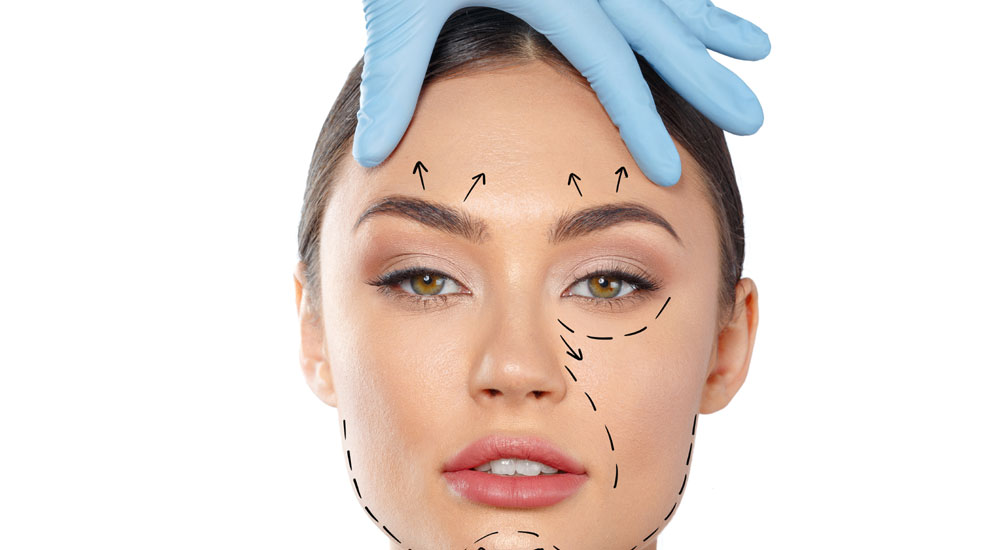
The upper third of your face acts as a window to your vitality. When deep horizontal wrinkles and heavy, drooping brows begin to dominate your reflection, it often creates a tired or even stern appearance—even if you feel perfectly rested. A forehead lift, or brow lift, is a precise surgical intervention designed to smooth these lines and reposition the eyebrows to a more rejuvenated, open state.

At Op.Dr. Feryal Yıldız, we understand that the goal isn’t to change your identity, but to restore your natural harmony. By addressing the underlying muscle tension that pulls the brow downward, we can effectively erase the “heavy” look. This procedure targets the very architecture of your upper face, ensuring that the results look effortless rather than “operated.”

What is Aesthetic Forehead Lift?

An aesthetic forehead lift is far more than a simple skin tightening procedure. It is a sophisticated anatomical realignment. As we age, the muscles responsible for pulling the brows down—specifically the procerus and corrugator muscles—often become stronger and more dominant than the muscles that lift them. This imbalance is what creates those deep, permanent furrows between the eyes.

During the surgery, we carefully manipulate these soft tissues and muscles. We don’t just pull theskin; we reposition the entire brow structure. This helps to smooth out the forehead wrinkles and provides a refreshed look. The focus is always on expression refined surgical techniques that preserve your ability to communicate emotion naturally.

alın germe ameliyatı kimler için uygun

What Is the Procedure for Forehead Lift Surgery?

The surgical process begins with a detailed anatomical assessment. We evaluate the tension in your forehead muscles and the degree of brow ptosis (drooping). Depending on your specific needs, we might use endoscopic techniques—which involve much smaller incisions—or a more traditional approach to ensure the most stable and long-lasting result.

The procedure typically follows these core steps:

  • Anesthesia Administration: The patient is placed under general anesthesia for safety and comfort.
  • Tissue Mobilization: We carefully release the tight tissues and muscles that cause the heavy brow.
  • Repositioning: The brow is moved to a more youthful, elevated position.
  • Fixation: We use specialized sutures or small implants to hold the new position in place.
  • Closure: Incisions are closed with fine sutures, often hidden within the hairline to minimize scarring.

The Recovery Period Following Forehead Lift Surgery

Recovery is a journey, not a single event. Most patients feel a significant difference in their appearance within the first two weeks. You might experience some swelling or bruising around the eyes—this is completely normal and part of the healing process. I always tell my patients to prepare for a period of “rest and patience.”

During the first 7 to 10 days, you should avoid strenuous activities and heavy lifting. You can usually return to light office work within a week, but your eyes might still feel a bit sensitive. It is crucial to follow the post-operative care instructions provided by Op.Dr. Feryal Yıldız to ensure the wrinkles stay smoothed and the incisions heal perfectly.

Comparing Surgical vs. Non-Surgical Approaches

Many patients ask if Botox or fillers can replace a forehead lift. While neurotoxins are excellent for temporary smoothing of dynamic lines, they cannot physically reposition a heavy, drooping brow. If the issue is structural—meaning the muscle and skin have physically descended—a surgical approach is the only permanent solution.

Feature Non-Surgical (Botox/Fillers) Forehead Lift Surgery
Duration 3-6 Months Years (Long-lasting)
Brow Position No change in position Physically lifts the brow
Wrinkle Depth Reduces surface lines Addresses deep structural folds
Recovery Zero downtime 1-2 weeks of healing

What Can Be Done in Combination with Forehead Lift Surgery?

A forehead lift often works beautifully alongside other facial rejuvenation procedures. Because we are addressing the upper third of the face, it is common to combine it with an upper blepharoplasty (eyelid surgery). This combination addresses both the heavy brow and the excess skin on the eyelids, creating a truly “wide-awake” look.

Other compatible procedures include:

  1. Upper Blepharoplasty: To remove excess eyelid skin and improve the eye area.
  2. Mid-Face Lift: To address sagging in the cheeks and nasolabial folds.
  3. Facelift: For a comprehensive rejuvenation of the entire lower and middle face.

Who Should Consider Forehead Lift Surgery?

This procedure is ideal for individuals aged 35 to 60 who notice a “tired” or “angry” expression due to brow drooping. If you find that your eyes feel heavy or that your forehead lines are becoming permanent even when your face is at rest, you are likely a strong candidate. It is particularly effective for those who have healthy skin elasticity but have lost structural support.

However, it is not just about age. Some patients who have experienced significant weight loss or changes in facial volume may find that their brow position has shifted. At Op.Dr. Feryal Yıldız, we perform a thorough consultation to ensure your expectations align with the surgical possibilities.

Final Thoughts on Your Transformation

Choosing to undergo a forehead lift is a significant decision. It is about more than just aesthetics; it is about reclaiming a version of yourself that feels more vibrant and energetic. The goal is never to look “different,” but to look like the most rested, refreshed version of you.

If you are ready to explore how expression refined surgical techniques can revitalize your appearance, we are here to guide you. Every face is unique, and your surgical plan should be as well. Contact Op.Dr. Feryal Yıldız today to schedule your personalized consultation and take the first step toward a brighter, more open expression.


alin-dolgusu.jpg

December 22, 2021 by feryal
alın dolgusu

The more prominent and rounder our brows are, the more intelligent we are thought to be. The brain activities and the huge volume of the brain in comparison to the body separate the human species from other living organisms. A prominent brow also implies a well-developed brain. That is why it makes us appear smarter. Women’s brows are more rounder, whilst men’s brows are flatter. While the center section of women’s foreheads is more projecting, the region that fits over the brows is the most protruding in males. In other words, the form of the brow influences whether we perceive someone to be feminine or masculine. As a result, it is a critical application area for feminization and masculinization.

The nose was the most influenced by the sense of ‘not being attractive enough’ associated with the face. The nose is one of the parts of the face that individuals wish to modify the most. However, even after a successful nose surgery, many people are unable to acquire satisfied outcomes. This is because the nose is regarded as the primary source of profile picture disproportions. However, even after the nose has been sculpted, the appropriate proportions of the forehead, nose, lips, and jaw line may be impossible to accomplish. The nose is merely one of four components of this line, and if it is not the sole issue, fixing the nose will not suffice. As a result, the ‘profiloplasty notion’ has emerged. The profile views of patients who come to us for nose surgery are reviewed as a whole, aside from the nose, and the patient is educated on the issue. The placements of the forehead, nose, lips, and chin line that should be used to obtain the ideal appearance are described. Nose procedures are performed at the patient’s desire, in conjunction with treatments on the forehead, lips, and chin. With the introduction of this concept, forehead filling apps have grown common.

If the forehead filler is not placed appropriately, it might have an unfavorable effect on the brows and upper eyelid. As a result, it is critical to consult with plastic surgeons and dermatologists.

What exactly is FOREHEAD FILLER APPLICATION?

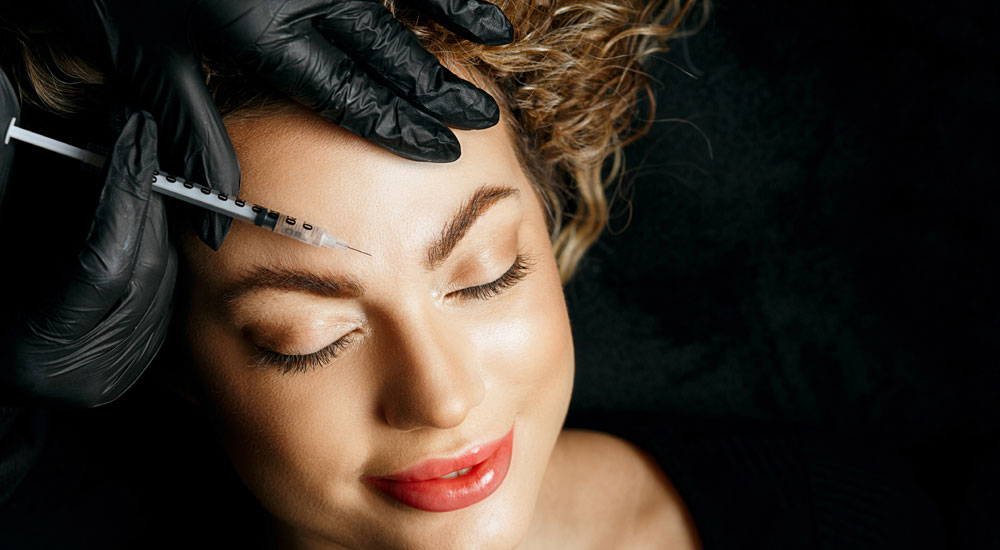
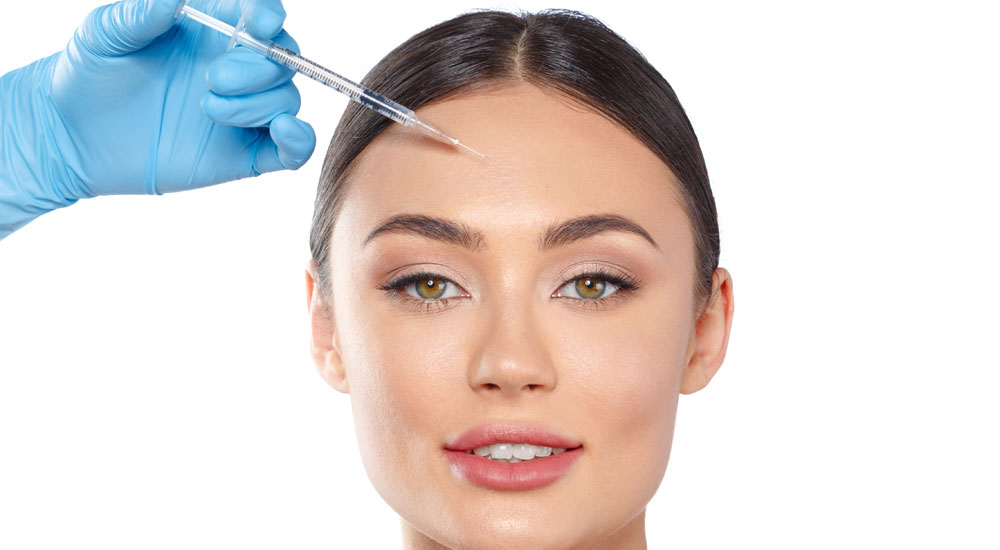
Forehead FILLER APPLICATION is a treatment that may be used in practice settings and delivers a quick impact without requiring a lengthy healing procedure. It allows the forehead to be sculpted in order to get the appropriate profile look. It also helps us to appear more feminine or manly. A prominent brow picture adds substantially to our sense of intelligence and beauty. It can also be used to fix existing forehead abnormalities and asymmetries.

Why is Forehead FILLER APPLICATION?

Forehead FILLER APPLICATION is used to create a more appealing profile appearance. It is a critical application area in feminization and masculinization. A more prominent brow assists us in having a more dimensional look, being viewed as youthful, active, and clever, and being perceived as beautiful.


Who Is Forehead FILLER APPLICATION SUITABLE For?

People who wish to contour their foreheads or fix asymmetries, are over the age of 18, healthy, and have no history of adverse reactions to FILLER materials, can benefit from forehead FILLER APPLICATION. It can also be used to feminize or masculinize following a sex transition.


What Are the Different Types of Forehead FILLER APPLICATION.?

Hyaluronic acid FILLERS are the most often used substance for forehead f FILLER APPLICATION.

What Are the Benefits of FOREHEAD FILLER APPLICATION?

alın dolgusu avantajları

Forehead FILLER is a fast solution. It can be used in real-world situations. There is no discernible healing phase. It allows for interactive application with the patient. Its impact is instantaneous, and it is easy to return to normal life. A higher dimensional forehead picture provides a more appealing profile perspective. Furthermore, a more feminine / masculine look is conceivable. A large brow adds to our image of intellect.


yuz-dolgusu-3.jpg

December 21, 2021 by feryal

Restoring Youthful Volume with Advanced Facial Filling

The human face is a complex architecture of five distinct layers, ranging from the deep bone structure to the superficial skin. As we age, the natural degradation of fat pads, muscle tone, and bone density leads to a visible loss of volume. This process often results in a tired, hollow, or sagging appearance that even the best skincare routines cannot fix. Achieving a contoured profile by addressing deep structural deficits is the primary goal of modern aesthetic medicine.

Facial filling serves as a non-surgical solution to replenish this lost volume, providing an immediate lift and rejuvenation. By using biocompatible materials, we can target specific areas like the cheeks, lips, and jawline to restore a balanced, youthful contour. At Op.Dr. Feryal Yıldız, we focus on subtle enhancements that respect your natural anatomy. The goal is never to change your identity, but to bring back the vitality that time has gradually diminished.

Whether you are looking for a subtle tweak or a more significant structural change, the right approach to facial filling can make a profound difference. We analyze the facial skeleton first—because volume without structural support often leads to an unnatural look. By addressing deep layers, we ensure the results look integrated with your natural movements.

What is Face Filling?

Face filling is a minimally invasive aesthetic procedure designed to replace lost subcutaneous volume. It involves the precise injection of dermal fillers—most commonly hyaluronic acid—into specific facial planes. Unlike surface-level treatments, effective facial rejuvenation requires addressing deep tissue compartments where bone resorption and fat atrophy occur.

The procedure is performed in a clinical setting, usually taking between 30 to 45 minutes. Because the materials used are biocompatible, the body naturally integrates the substance. This method allows us to sculpt the face without the downtime associated with surgical lifting, making it a favorite for busy professionals seeking a refreshed look.

yüz dolgusu

Why is Face Filling Done?

The primary motivation for facial filling is the restoration of facial harmony. As we move through our 30s, 40s, and 50s, the “triangle of youth”—characterized by high cheekbones and a tight jawline—begins to invert. We use fillers to reverse this inversion by addressing deep hollows under the eyes and mid-face.

Beyond volume, fillers serve several aesthetic purposes:

  • Smoothing deep nasolabial folds and marionette lines.
  • Defining the mandibular line for a sharper profile.
  • Adding projection to the chin to balance facial proportions.
  • Softening the appearance of shadows caused by skin laxity.

Who Is Face Filling Suitable For?

This procedure is ideal for individuals noticing the first signs of volume loss or those seeking to refine specific features. It is particularly effective for women in their 30s to 55s who want to maintain a rested appearance without undergoing surgery. If you feel your face looks “sunken” or “tired” despite adequate sleep, you are likely a candidate.

However, suitability also depends on your skin elasticity. While facial filling is excellent for addressing volume, it cannot replace the structural tightening provided by a full facelift in cases of extreme skin laxity. We evaluate each patient’s anatomy to ensure expectations align with the clinical reality.

What are the Types of Face Fillers?

Not all fillers are created equal. The choice of material depends entirely on the depth of the injection and the desired effect. For addressing deep structural needs, such as chin projection or malar augmentation, a thicker, more cohesive filler is required to provide support against gravity.

For more delicate areas like the lips or fine lines around the mouth, we utilize softer, highly flexible hyaluronic acid formulations. This ensures that when you smile or speak, the facial movement remains natural and does not look “stiff” or “overfilled.”


Comparing Different Injection Areas

Each area of the face requires a unique technique. For instance, injecting the temples is vastly different from injecting the lips. In the temples, we are addressing deep temporal atrophy to prevent the “hollow temple” look that contributes to an aged appearance.

Target Area Primary Goal Filler Density
Cheeks (Malar) Volume & Lift High Density
Lips Definition & Volume Low Density
Jawline Contouring High Density
Under Eyes Hollow Correction Very Low Density

Is Face Filling Permanent?

One of the most common questions we hear is: “How long will it last?” It is important to understand that most modern facial fillers are temporary. Because they are often based on hyaluronic acid, the body’s natural enzymes eventually break them down. The duration typically ranges from 6 to 18 months, depending on the product and the metabolic rate of the patient.

yüz dolgusu kalıcı mıdır

The longevity also depends on how much we are addressing deep tissue versus superficial layers. Deeper injections tend to persist longer because they are less subject to the mechanical movement of the skin. This allows for a more stable, long-lasting structural foundation.

The Importance of Expert Application

The difference between a natural-looking result and a “duck-like” appearance lies in the hands of the practitioner. Facial filling is an art as much as a science. It requires a profound understanding of the underlying musculature and vascular anatomy to avoid complications and ensure the filling integrates seamlessly with your bone structure.

At Op.Dr. Feryal Yıldız, we prioritize safety and anatomical precision. We don’t just fill lines; we reconstruct the facial framework by addressing deep structural deficits. This meticulous approach ensures that your results are not only beautiful but also safe and long-lasting.


Frequently Asked Questions

Does the procedure hurt?
Most fillers contain lidocaine to numb the area. We also use topical anesthetics to ensure your comfort throughout the process.

When will I see results?
The facial contour is visible immediately, though some swelling may occur. The final, settled result is usually apparent after 2 weeks.

Can I return to work immediately?
Yes, most patients return to their daily activities within a few hours, making it an ideal “lunchtime” procedure.

Start Your Transformation Today

Don’t let volume loss dictate how you feel about your reflection. Whether you want to restore your cheekbones or refine your jawline, a personalized treatment plan is the first step. We invite you to experience a bespoke approach to aesthetic medicine where your natural beauty is the priority.

Contact Op.Dr. Feryal Yıldız today to schedule your consultation and discover how we can help you achieve a rejuvenated, confident version of yourself.


Social Media


Social Media


Design and Development Simur Digital