Temple Filling
Restoring Facial Harmony with Temple Filling
The temporal region, often referred to as the temples, plays a silent but vital role in the overall symmetry of your face. As we age, the natural loss of subcutaneous fat and bone density in this area creates a hollow, sunken appearance. This hollow effect—often called “temporal hollowing”—can make the face look tired, aged, or even gaunt. Temple filling is a sophisticated aesthetic procedure designed to restore this lost volume, effectively smoothing the transition between the forehead and the cheekbones.
When the temples lose their fullness, the eyes may appear more prominent or “sunken,” and the eyebrows might seem to dro
At Op.Dr. Feryal Yıldız, we focus on subtle, natural-looking results that avoid the “overfilled” look. The goal is not to change your face, but to bring back the structural balance you once had. We understand that every patient seeks a unique version of their most rested self. By addressing the temporal hollows, we can create a more continuous, youthful contour that complements your existing features without looking artificial.
What is Temple Filling?
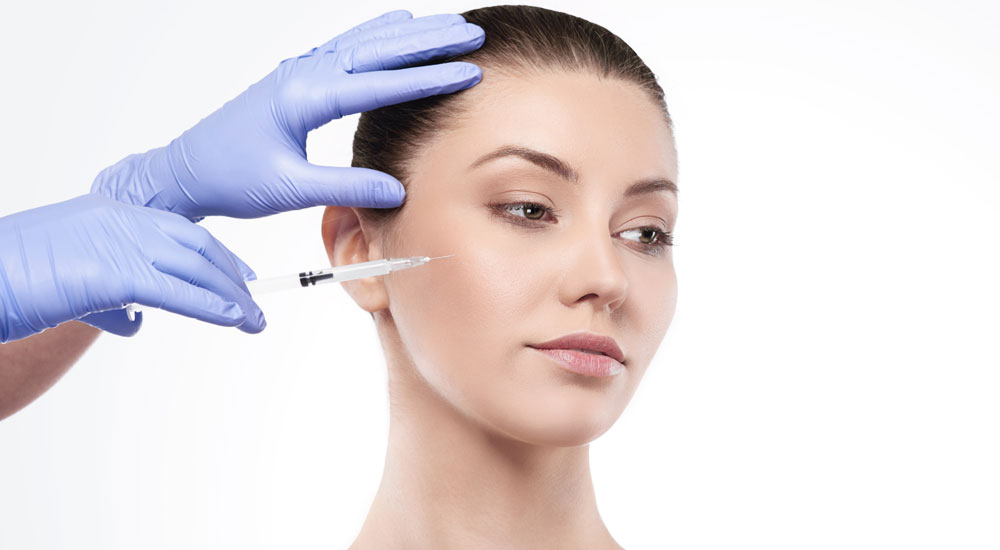
Technically, the temple is the anatomical area located between the upper eyelid, the ear, and the forehead. It is a delicate zone where the skin is remarkably thin. Temple filling involves the precise injection of hyaluronic acid-based fillers into the deep layers of the temporal fossa. This substance acts as a structural scaffold, lifting the skin from within and filling the depressions that characterize the aging process.
The procedure targets the temporal area to provide a gradual volume increase. We use high-viscosity fillers specifically designed to withstand the pressure of the deep tissue layers. This ensures that the filling remains stable and provides a smooth, even surface. It is not just about adding volume; it is about reconstructing the anatomical architecture of the upper face.
__KIF_PRESERVE_IMG_0__
Why is Temple Filling Performed?
The primary reason for this procedure is to correct the “hollow” look that occurs due to fat atrophy. As the temporal fat pads shrink, the skin loses its support, leading to a visible indentation. This can create shadows on the face, making the skin appear darker and more fatigued than it actually is. By using temple augmentation, we can eliminate these shadows and brighten the entire upper facial region.
Beyond aesthetics, this procedure helps in:
- Restoring the natural transition between the forehead and the cheekbones.
- Reducing the appearance of deep-set eyes or prominent brow bones.
- Creating a more balanced, oval-shaped facial silhouette.
- Lifting the appearance of the eyebrows by providing structural support.
Who is the Ideal Candidate for This Procedure?
The ideal candidate is someone experiencing visible temporal hollowing but who does not require a full surgical facelift. If you notice that your face looks “sunken” or “gaunt” particularly when you smile or move your facial muscles, you might be a perfect candidate. People in their 30s, 40s, and 50s often see the most transformative results, as the loss of volume is usually just beginning to become noticeable.
We also see great success in patients who have recently undergone significant weight loss. Rapid weight loss can deplete the fat pads in the temples, leaving the face looking aged. If you are looking for a non-surgical way to regain your facial fullness, temple filling offers a highly effective solution. However, we always perform a detailed consultation to ensure your expectations align with the anatomical possibilities.
The Procedure: How is the Injection Performed?
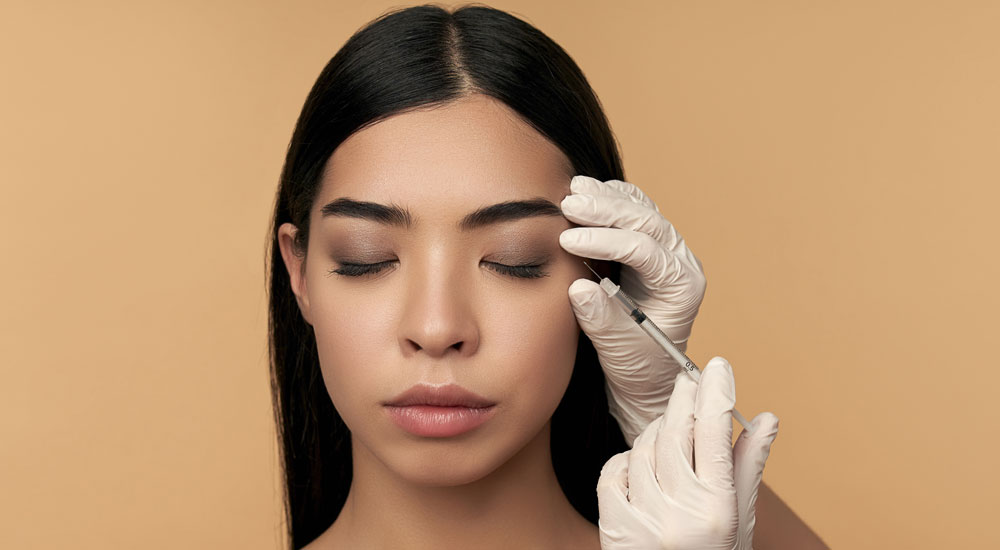
The procedure is minimally invasive and typically takes between 30 to 45 minutes. First, we cleanse the area and apply a topical anesthetic to ensure your comfort. The filling is then injected using very fine needles or cannulas into the deep temporal fossa. This precision is vital—injecting too superficially can lead to visible lumps, which is why the expertise of the practitioner is paramount.
After the injections, we gently massage the area to ensure the filler is distributed evenly. You may experience slight swelling or minor bruising, which is completely normal and usually subsides within a few days. Most patients can return to their daily activities immediately after leaving the clinic. It is a “lunchtime procedure” that offers significant visual impact with minimal downtime.
Advantages of Temple Augmentation
Choosing temple filling over surgical alternatives offers several distinct benefits. It is a non-surgical method that provides immediate results without the risks associated with general anesthesia or long recovery periods. The use of hyaluronic acid is particularly advantageous because it is biocompatible and can be reversed if necessary—a safety net that surgery simply does not provide.
Key advantages include:
- Immediate visible results following the temple injection.
- No surgical scars or incisions left behind.
- Minimal downtime, allowing for a quick return to work.
- Natural-looking volume restoration that mimics lost fat.
Comparing Temple Filling vs. Surgical Temporal Lift
Deciding between a non-surgical filler and a surgical lift depends on the severity of your hollows and your long-term goals. A surgical temporal lift is more permanent and addresses skin laxity (sagging skin) more aggressively. However, it requires incisions, sutures, and a significant healing period. For many, the filling approach is much more attractive due to its simplicity and natural feel.
| Feature | Temple Filling | Surgical Temporal Lift |
|---|---|---|
| Invasiveness | Non-surgical (Injectable) | Surgical (Incision) |
| Recovery Time | 1-3 Days | 1-2 Weeks |
| Lonatal Duration | 12-18 Months | Years (Permanent) |
| Anesthesia | Local/Topical | General/Local |
Frequently Asked Questions
How long does the effect of temple filling last?
The duration depends on the type of filler used and your individual metabolism. Generally, the results of temple augmentation last between 12 to 18 months. Regular maintenance can help sustain the volume.
Will I look “puffy” or unnatural?
When performed correctly at Op.Dr. Feryal Yıldız, the goal is to restore structure, not to create a bloated look. We use precise amounts of filling to ensure the transition from the forehead to the cheek is smooth and anatomically correct.
Is the procedure painful?
Most patients describe the sensation as mild pressure rather than sharp pain. We use local anesthetics to ensure the process is as comfortable as possible.
If you are ready to restore the youthful contours of your face and regain your facial symmetry, we are here to guide you. Our clinic specializes in personalized aesthetic journeys that prioritize your natural beauty. Don’t let temporal hollowing make you look more tired than you feel. Contact us today to schedule your consultation and discover how temple filling can transform your appearance.