
Blog

Credibly reintermediate backend ideas for cross-platform models. Continually reintermediate integrated processes through technically sound intellectual capital.
g-noktasi-buyutme.jpg

January 3, 2022 by feryal
g noktası büyütme

Women’s most prevalent difficulties are a lack of sexual desire, a difficulty to have intercourse, and an inability to orgasm. The G spot is defined as a 1-2 cm broad, 4-5 cm within and above the vaginal entrance region. At the G point, there are extremely dense neural networks. As a result, activating the G spot plays a significant role in female orgasm. Women can attain long-lasting, powerful sexual pleasure and orgasm by stimulating the G-spot. The G spot’s sole function is to contribute to the vaginal orgasm. When the G spot is triggered by being erogenous, the erectile tissue expands and the gland tissue generates a particular secretion, making it easier to erect to get vaginal orgasm.
The G spot is a region of the vaginal front wall that appears fuller and fluffier than the surrounding area. Orgasm happens when the penis is rubbed on the region known as the G spot. However, the prominence of the G spot may fade with time as a result of the action of hormonal variables. As a result, the penis may not sufficiently stimulate the G-spot. The G-spot might become prominent again as a consequence of the G-spot augmentation operation, and the lady can easily achieve orgasm.

What exactly is G Spot Augmentation?

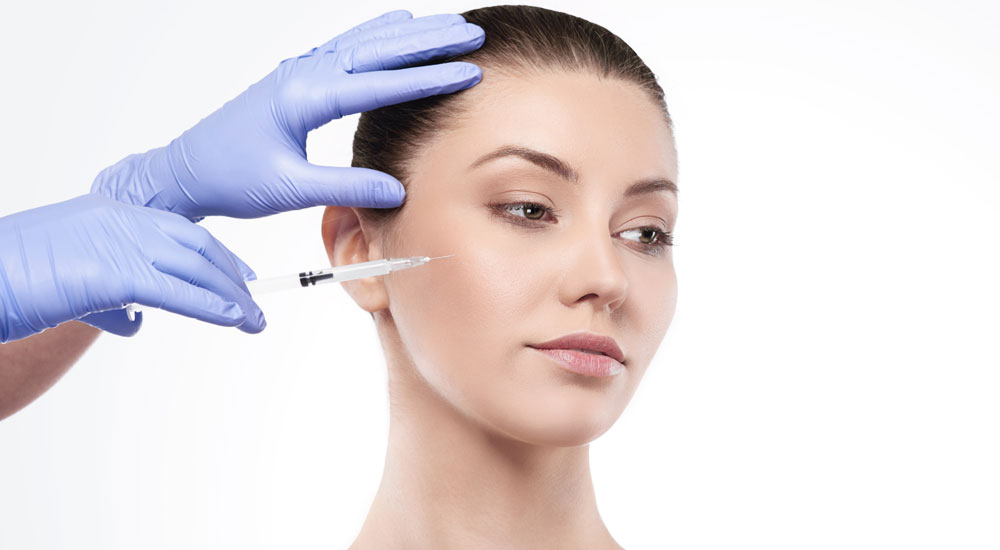
G spot augmentation is used to boost female sexual satisfaction. G-spot enhancement is accomplished by the use of fat injection or a hyaluronic acid-containing filler. As a result of this treatment, the G spot on the anterior wall of the vagina gets more packed and fuller, and orgasm occurs when the penis brushes against the region. Contacting the G-spot of the penis during sexual intercourse causes the woman to enjoy sexuality much more and to achieve orgasm much faster. As a result, women with sensitive G-spots have more enjoyment from sex.

The body reacts differently in women as a result of physical or mental stimuli. Swelling occurs in the clitoris, labia, and vaginal walls as a result of increased blood flow in the genital region. The vaginal entrance is also opened as the clitoris’s V-shaped arms extend to both sides, and fluids are released to offer lubrication in the genital region. The uterus enlarges and rises higher at this time. Circulation, heart rate, and respiration rate rise during the phase of sexual excitement preceding climax, and during orgasm, the vaginal walls constrict, fluid secretion increases, and there is a strong sense of pleasure. Later, when the muscles relax, blood pressure falls. Women, unlike males, can have many orgasms.
The injection must be given in the correct region for the G-spot augmentation to be successful. Because the location of the G spot varies from woman to woman, the location of the G spot must be calculated accurately for the application to be successful. Furthermore, the amount of adipose tissue or hyaluronic acid-containing filler to be injected into the selected region should be decided by taking into account each woman’s anatomical peculiarities.


What is the purpose of G Spot Augmentation?

G-spot augmentation is a technique used to boost women’s self-esteem, sensitivity, and desire. G-spot augmentation is said to be an incredibly effective option for women who have problems obtaining vaginal orgasm or who desire to experience orgasm more strongly. It is a technique that many women nowadays choose since it improves the sensitivity of the G spot, which plays a significant part in making the sexual experience more pleasant and joyful. The G-spot becomes more sensitive and reactive after amplification.

Who Is G Spot Augmentation Appropriate For?

G-spot augmentation can be used to boost sexual pleasure, make orgasm easier, and make orgasm more gratifying. As a result, it is an excellent option for those who cannot enjoy sexual intercourse, cannot orgasm, or desire to have better quality and stronger orgasms despite having orgasm.

G spot augmentation is available to women over the age of 18. However, G spot augmentation cannot be conducted on pregnant or breastfeeding women, individuals who have an allergic body, or those who have previously shown an allergic reaction to a comparable substance. It is also not feasible to apply to persons who have immune system illnesses, bleeding or coagulation issues. In addition, persons who have infection in the application region and have unrealistic expectations about the outcome of the surgery are not candidates for G spot augmentation.


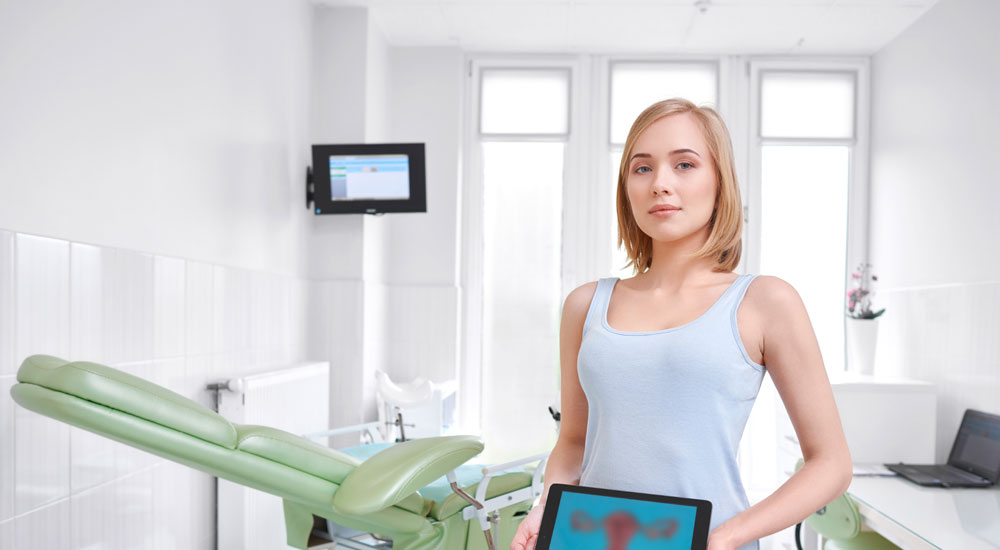
What is the procedure for enlarging the G Spot?
g noktası büyütme nasıl yapılır

The patient’s G-spot is established by examination prior to the G-spot augmentation treatment. Although the G spot filling method is easy and painless, the patient is given local anesthetic before to the application. Following the identification of the G spot, adipose tissue extracted by liposuction or a hyaluronic acid-containing filler is injected into the identified location. In circumstances when adipose tissue injection is preferable, the effect acquired from the G-spot augmentation treatment, which takes approximately 10 minutes, may be more durable. It should be emphasized, however, that the procedure’s permanence may differ from person to person, depending on the structural qualities of the individual and the properties of the injected substance. Although the injection used in the G-spot augmentation technique is generally permanent for 6 months, it can be repeated at specified intervals at the conclusion of this time.

Patients can resume their normal life immediately following G spot augmentation. Sexual intercourse is permitted 6 hours following the surgery. G-spot augmentation has no effect on a woman’s menstrual cycle or fertility. Similarly, there are no restrictions on using tampons, laser epilation, or other genital cosmetic treatments following G spot augmentation.

G-spot augmentation can be done in conjunction with vaginoplasty, labiaplasty, and clitoris aesthetics. Because clitoris aesthetics and vaginal tightness are both useful in increasing sexual pleasure, simultaneous operations are sometimes suggested.
vajinal-daraltma.jpg

January 3, 2022 by feryal

Restoring Confidence Through Vaginal Tightening

Physical changes in a woman’s body—whether from the joy of childbirth or the natural progression of aging—can lead to unexpected anatomical shifts. Vaginal enlargement and the loss of muscle tone are not just aesthetic concerns; they deeply impact a woman’s intimate life and self-esteem. Finding your way back to a sense of physical wholeness is a personal journey that deserves professional care.

The sensation of “looseness” often stems from the stretching of the vaginal canal and the weakening of the surrounding connective tissues. At Op.Dr. Feryal Yıldız, we focus on anatomical precision to address these changes. Vaginal tightening is a specialized procedure designed to reinforce the pelvic floor muscles and vaginal tissues, aiming to restore the natural grip and sensation that many women miss.

It is about more than just physical repair; it is about reclaiming a sense of intimacy and bodily autonomy. Every woman’s experience is unique, and the emotional weight of these changes is something we treat with the utmost respect and privacy.

What is Vaginal Tightening (Vaginoplasty)?

Vaginoplasty, commonly referred to as vaginal tightening, is a medical intervention aimed at narrowing the vaginal opening and tightening the vaginal canal. This procedure targets the vaginal walls and the surrounding muscular structures to reduce laxity. Depending on your specific needs, this can be achieved through surgical or non-surgical methods.

The procedure addresses the loss of elasticity in the vaginal tissues. Over time, factors like multiple vaginal deliveries or menopause can cause the vaginal walls to lose their structural integrity, leading to a feeling of emptiness or decreased friction during intimacy. By reinforcing these tissues, we help restore the natural anatomical architecture.

vajinal daraltma nasıl yapılır

During the process, the surgeon focuses on the pelvic floor muscles—the foundation of vaginal support. When these muscles are tightened, the entire canal regains its ability to provide the necessary tension. This is not merely a surface-level change; it is a deep structural reinforcement.

Who Is Vaginal Tightening Suitable For?

This procedure is designed for women experiencing various stages of physical change. While there is no single “ideal” candidate, certain life events often make vaginal tightening a highly effective solution. We see many patients who are looking to regain the physical sensations they had prior to significant life transitions.

Specifically, the procedure is often considered by:

  • Women who have experienced vaginal trauma or stretching due to multiple vaginal deliveries.
  • Individuals noticing a loss of muscle tone due to the natural aging process and hormonal shifts.
  • Women undergoing significant weight fluctuations that affect pelvic floor stability.
  • Patients experiencing symptoms of pelvic organ prolapse or urinary incontinence.

If you feel that your intimate life has been compromised by these physical changes, you are certainly not alone. Many women in their 30s, 40s, and 50s seek these interventions to restore their quality of life and confidence.

Why is Vaginal Tightening Performed?

The motivations for seeking vaginal tightening are often multifaceted, blending physical necessity with emotional well-being. Beyond the obvious goal of increasing friction and sensation, there are functional health benefits that cannot be overlooked. For many, the primary driver is the restoration of sexual satisfaction and the reduction of physical discomfort.

Beyond intimacy, the procedure serves several key purposes:

  1. Restoring Muscle Tone: Strengthening the pubococcygeus (PC) muscles to prevent further sagging.
  2. Addressing Incontinence: Helping to manage stress urinary incontinence caused by weakened pelvic supports.
  3. Improving Anatomical Symmetry: Correcting visible changes in the vaginal opening or labial area.
vajinal daraltma

The psychological impact of feeling “loose” can lead to anxiety or avoidance of intimacy. By addressing the physical root cause, we help patients bridge the gap between their physical reality and their desired sense of self.

How Is Vaginal Tightening Performed?

The methodology depends entirely on the degree of tissue laxity and the patient’s medical history. In surgical vaginoplasty, the surgeon physically tightens the vaginal mucosa and the underlying muscles. This is a more permanent solution for significant anatomical changes. In contrast, non-surgical approaches often use laser or radiofrequency energy to stimulate collagen production.

For those opting for non-surgical methods, the process is much less invasive. We use advanced technology to heat the deeper layers of the vaginal tissue, triggering a natural healing response. This “micro-injury” encourages the body to rebuild stronger, more elastic collagen fibers, effectively tightening the canal from the inside out.

The choice between these methods is a conversation we have deeply with every patient. We evaluate the extent of the stretching and your personal recovery goals to determine which path offers the most sustainable and comfortable result.

Comparing Surgical vs. Non-Surgical Approaches

Deciding between a surgical procedure and a non-surgical treatment is perhaps the most critical step in your journey. Each has its merits, and the “best” option is highly subjective, depending on your lifestyle, budget, and the severity of the tissue laxity you are experiencing.

Feature Surgical (Vaginoplasty) Non-Surgical (Laser/RF)
Primary Goal Structural muscle/tissue repair Collagen stimulation
Recovery Time 4 to 6 weeks Minimal (immediate return to activity)
Longevity Long-lasting, permanent results Requires maintenance sessions
Invasiveness High (requires anesthesia) Low (office-based procedure)

While non-surgical methods are excellent for mild loosening or maintenance, surgical intervention is often necessary when the pelvic floor muscles have significantly lost their structural integrity. We always recommend a thorough physical assessment to ensure your expectations align with the procedural capabilities.

Post-Procedure Care and Expectations

Success in vaginal tightening is as much about the recovery as it is about the procedure itself. If you undergo a surgical approach, you must commit to a period of rest. Avoiding heavy lifting, strenuous exercise, and sexual intercourse for several weeks is non-negotiable to allow the sutures and tissues to heal without tension.

For non-surgical treatments, the recovery is much swifter. Most patients return to their daily routines almost immediately, though we suggest avoiding intense heat (like saunas) for a few days. Regardless of the method, maintaining a healthy pelvic floor through Kegel exercises can significantly extend the longevity of your results.

You should expect gradual changes. In laser treatments, the tightening effect builds over several weeks as new collagen matures. In surgical cases, the initial swelling will subside, revealing the refined, tighter structure over the course of a few months.

Frequently Asked Questions

Will the results of vaginal tightening be permanent?

Surgical results are designed to be permanent, though the natural aging process and future childbirth can still affect the area over many years. Non-surgical results are temporary and require periodic maintenance to sustain the collagen boost.

Is the procedure painful?

During the procedure, anesthesia or local numbing is used to ensure comfort. Post-operative discomfort is manageable with prescribed medication and typically subsides within a few days to a week.

How soon can I resume sexual activity?

This depends on the method. For surgical vaginoplasty, we strictly advise waiting at least 6 weeks. For non-surgical laser treatments, the window is much shorter, usually around a week, but always follow your specific post-op instructions.


Take the Next Step Toward Reclaiming Your Confidence

You don’t have to navigate these physical changes alone. Whether you are seeking to restore intimacy or improve your functional health, a personalized approach is the key to success. At Op.Dr. Feryal Yıldız, we provide a safe, private, and highly professional environment to discuss your options and begin your transformation.


Don’t let physical changes dictate your confidence. Contact us today to schedule a private consultation and discover how our expertise in vaginal tightening can help you feel like yourself again.


yag-enjeksiyonu.jpg

January 3, 2022 by feryal

The Art of Natural Rejuvenation: Understanding Fat Injection

Fat injection, scientifically referred to as autologous fat transfer, is far more than a simple cosmetic procedure. It is a sophisticated technique where we use your own biological material to restore volume and vitality to depleted areas. By harvesting small amounts of adipose tissue from areas like the abdomen or thighs, we can redistribute that volume to where it is needed most—such as hollow cheeks, deep wrinkles, or thinning lips. The beauty of this method lies in its organic nature; the result is a refreshed, rested appearance that looks like you, only more vibrant.

When we perform a fat injection, we are essentially recycling your body’s resources. Unlike synthetic fillers that might feel stiff or look unnatural over time, using your own fat cells allows for a seamless integration with your existing facial or body structures. This process relies on the body’s ability to recognize its own cells, virtually eliminating the risk of allergic reactions or rejection. At Op.Dr. Feryal Yıldız, we focus on precision to ensure the transferred cells survive and integrate perfectly into the target tissue.

yağ enjeksiyonu nasıl yapılır

The concept of rejuvenation through autologous methods is deeply rooted in the desire for permanence. While many treatments offer temporary fixes, fat transfer aims for a long-term structural change. By utilizing your own lipids, we create a biological foundation that mimics the natural subcutaneous layer of your skin, providing both volume and a subtle, healthy glow that synthetic alternatives often struggle to replicate.

Why Choose Fat Injection Over Synthetic Fillers?

Many patients ask me why they should opt for fat transfer instead of traditional hyaluronic acid fillers. The answer lies in longevity and texture. While synthetic fillers are excellent for quick fixes, they eventually dissolve. In contrast, once the transferred fat cells establish a blood supply, they can become a permanent part of your anatomy. This makes fat injection an ideal choice for those seeking a more durable solution to volume loss.

Another significant advantage is the biocompatibility of the procedure. Because we are using autologous tissue, the risk of inflammatory responses or granulomas—common side effects of some foreign substances—is significantly reduced. Furthermore, the fat we harvest often contains stem cells that can actually improve the skin quality in the recipient area, providing a secondary benefit of skin texture refinement that fillers simply cannot offer.

Choosing between these methods often depends on your specific aesthetic goals. If you need a very precise, small correction, a filler might suffice. However, for larger volume deficits or a desire for a more “natural” feel, fat transfer is superior. At Op.Dr. Feryal Yıldız, we evaluate each patient’s anatomy to determine if the biological benefits of fat transfer outweigh the convenience of synthetic options.

Common Areas Targeted for Fat Injection

The versatility of fat injection allows us to address various facial and bodily concerns. The primary goal is to restore the youthful contours that naturally diminish with age or weight loss. We typically focus on areas where fat pads have naturally depleted, creating shadows or hollows that contribute to a tired appearance.

Commonly targeted areas include:

  • Cheeks and Midface: Restoring fullness to prevent the “sunken” look.
  • Temples: Filling the temporal hollows to create a smoother, more rounded forehead profile.
  • Lips and Perioral Area: Adding subtle volume and smoothing fine lines around the mouth.
  • Under Eyes (Tear Troughs): Reducing the appearance of dark circles and hollow depressions.
  • Nasolabial Folds: Softening the lines running from the nose to the corners of the mouth.

Beyond the face, this technique is highly effective for body contouring. We can use the harvested fat to enhance the projection of the buttocks or to smooth out irregularities in the skin surface. The ability to simultaneously “debulk” an unwanted area like the flanks while “rebuilding” another area makes this a dual-purpose aesthetic tool.

Who Is the Ideal Candidate for This Procedure?

The ideal candidate for fat injection is someone with sufficient donor fat available in areas like the abdomen, flanks, or thighs. This procedure is particularly transformative for women in their 30s to 50s who are noticing the first signs of volume depletion. It is also an excellent option for patients who have experienced significant weight loss and are left with hollowed facial features or skin laxity.

We also see great success with patients who have had previous filler treatments and wish to transition to a more permanent, biological solution. However, it is important to note that if you have very little subcutaneous fat to begin with, the results may be less dramatic. During your consultation at

, we will assess your donor sites to ensure we have enough material to achieve your desired outcome.

It is worth mentioning that health plays a vital role. Patients with uncontrolled diabetes or active skin infections in the target or donor areas may not be suitable candidates. We prioritize your safety and the long-term success of the graft, which means a thorough medical screening is always the first step in our process.

The Step-by-Step Process: How is Fat Injection Performed?

The procedure is typically performed under local anesthesia or light sedation, depending on the extent of the transfer. The process begins with the “harvesting” phase. Using very fine cannulas, we gently aspirate small amounts of fat from the donor site. This is a delicate process—too much pressure can damage the delicate fat cells, so precision is paramount.

yag enjeksiyonu

Once the fat is harvested, it undergoes a purification process. We use specialized centrifugation or filtration techniques to separate the pure, healthy adipocytes from blood, oil, and debris. This “cleaning” step is critical; only the most viable cells are selected for injection to maximize the survival rate of the graft.

The final stage is the injection itself. We carefully place the purified fat into the target areas using micro-cannulas. We use a “layering” technique—injecting small droplets rather than large boluses—to ensure that each cell has the opportunity to integrate with the surrounding tissue and establish its own blood supply.

The entire procedure can take anywhere from one to three hours, depending on the volume of fat being moved and the number of areas being treated. Because we use your own tissue, the surgical trauma is minimized, and the focus remains on creating a natural, seamless transition between the injected area and your existing anatomy.

Comparing Fat Injection vs. Dermal Fillers

Deciding between these two modalities is a common dilemma. To help you visualize the differences, I have prepared a brief comparison of the most important factors.


Feature Fat Injection (Autologous) Dermal Fillers (Synthetic)
Material Your own living cells Hyaluronic Acid / Synthetic
Longevity Potentially permanent 6–18 months
Allergy Risk Virtually zero Very low, but possible
Texture Natural, soft, organic Can feel slightly firmer

Recovery and Post-Operative Care Expectations

Recovery from fat injection is generally much smoother than traditional surgical procedures. Most patients can return to their daily activities within a few days. However, you should expect some swelling and minor bruising around both the donor and recipient sites. This is a normal part of the inflammatory process as the body begins to integrate the new tissue.

To ensure the best possible survival rate for the transferred fat, certain precautions are necessary during the first two weeks:

  1. Avoid Pressure: Do not sleep on the treated area (e.g., if treating cheeks, sleep on your back).
  2. Minimize Heat: Avoid saunas, hot baths, or intense sun exposure that could increase swelling.
  3. Gentle Care: Do not massage the injected areas unless specifically instructed by your surgeon.
  4. Hydration: Maintain excellent hydration to support tissue healing.

It is important to remember that the final result is not immediately visible. While you will see an initial volume increase, some of that volume is due to swelling. The “true” result—the amount of fat that has actually survived and integrated—becomes apparent after about 3 to 6 months. Patience is key to appreciating the natural transformation.

Frequently Asked Questions

Q: Will the fat disappear after the procedure?

A: Some initial resorption is normal. A certain percentage of the injected fat will be reabsorbed by the body during the first few weeks. However, the cells that successfully establish a blood supply will remain permanent.

Q: Is the procedure painful?

A: Most patients describe the sensation as mild discomfort or pressure rather than sharp pain. We use local anesthesia to ensure you are comfortable throughout the entire process.

Q: How many sessions might I need?

A: Depending on the volume of fat available and the extent of the hollows, a second session may occasionally be required to achieve the full desired volume.

Start Your Journey to Natural Beauty

Achieving a rejuvenated, vibrant appearance should never come at the cost of looking “unnatural.” Fat injection offers a unique opportunity to use your body’s own biological wealth to restore what time has taken away. Whether you are looking to soften deep lines or restore youthful fullness to your face, the precision of autologous transfer provides a level of harmony that synthetic options simply cannot match.

If you are ready to explore how fat injection can transform your aesthetic profile, I invite you to book a personalized consultation. At Op.Dr. Feryal Yıldız, we specialize in creating bespoke results that respect your unique anatomy and enhance your natural beauty. Let us help you rediscover a more rested, confident version of yourself.


yanak-dolgusu-1.jpg

January 3, 2022 by feryal

Achieving Facial Harmony with Cheek Filling

A well-defined midface is often the cornerstone of a youthful and balanced appearance. As we age, the natural fat pads in our cheeks begin to descend, leading to a hollowed or tired look that even the most expensive skincare routines cannot fix. This structural loss creates shadows that can make you look perpetually exhausted.

Cheek filling offers a sophisticated, non-surgical solution to restore this lost volume. By providing a subtle lift, we can enhance your natural bone structure without the need for invasive surgery. At Op.Dr. Feryal Yıldız, we focus on creating a customized aesthetic plan that respects your unique anatomy—the goal is never to change who you are, but to emphasize your best features.

By using high-quality hyaluronic acid fillers, we precisely target areas of depletion to bring back that coveted “lifted” effect. This procedure helps in creating a more vibrant version of yourself, focusing on prominent cheekbones to create a natural contour.

What is Cheek Filling?

Cheek filling is a non-surgical medical aesthetic procedure designed to add volume to the malar region. Using injectable dermal fillers—most commonly hyaluronic acid—a practitioner carefully deposits material into specific depths of the skin or even onto the bone surface. This process effectively replaces the volume lost to gravity and aging.

The procedure is remarkably versatile. It isn’t just about making cheeks “bigger”; it is about structuring the midface to smooth out the transition between the cheek and the nasolabial folds. yanak dolgusu nasıl yapılır

The material used is biocompatible and integrates seamlessly with your natural tissues. This means the result looks organic rather than artificial. We focus on the subtle nuances of facial anatomy to ensure the volume looks like it belongs to your natural structure.

Why is Cheek Filling Done?

The primary reason patients seek cheek filling is to combat the “hollow” look that develops in the midface. When the malar fat pads diminish, the skin begins to sag, often creating deep lines around the mouth. This loss of support can also make the eyes appear more sunken or tired.

Beyond simple volume replacement, this procedure serves several aesthetic purposes:

  • Structural Definition: Creating a sharper, more defined cheekbone contour.
  • Midface Lifting: Providing a subtle upward lift to the lower face area.

  • Shadow Reduction: Eliminating the dark shadows caused by hollowed cheeks.
  • Proportional Balance: Balancing a heavy jawline or a prominent chin.

Many of our patients, particularly those in their 40s and 50s, notice that their face loses its “heart shape” and becomes more rectangular or oval. Filling the cheeks helps restore that youthful, upward-tapering facial shape.

Who Is Cheek Filling Suitable For?

This procedure is ideal for individuals experiencing early signs of facial volume loss. If you notice that your cheeks are becoming flatter or that your nasolabial folds are deepening, you are likely a great candidate. It is especially effective for those who want a refreshed look without the downtime of a facelift.

yanak dolgusu

We see two main groups of patients: those looking to reverse age-related sagging, and younger patients who may have naturally thin facial fat and want more definition. However, it is not suitable for everyone—specifically those with active skin infections or certain autoimmune conditions. During your consultation at Op.Dr. Feryal Yıldız, we perform a detailed facial analysis to ensure the procedure aligns with your expectations.

What are the Advantages of Cheek Filling?

The most significant advantage is the immediate result. Unlike surgical interventions that require weeks of healing, cheek filling allows you to see the transformation almost instantly. You can walk out of the clinic and return to your daily routine immediately.

Other key benefits include:

  1. Minimal Downtime: There is no need for a long recovery period; minor swelling is usually the only side effect.
  2. Non-Invasive: No incisions or stitches are required, reducing the risk of scarring.
  3. Customizable: The amount of filler can be adjusted to achieve the exact level of volume you desire.
  4. Reversibility: Hyaluronic acid fillers can be dissolved with hyaluronidase if the results need adjustment.

How is Cheek Filling Performed?

The procedure begins with a thorough consultation and facial mapping. We identify the exact points where volume is lacking. After cleaning the area, a local anesthetic or topical numbing cream is applied to ensure your comfort throughout the process.

The practitioner uses a fine-gauge needle or a cannula—a blunt-tipped catheter—to inject the filler into the targeted layers. The cannula technique is often preferred as it minimizes bruising and allows for smoother distribution of the material. The entire process typically takes between 30 to 45 minutes.

Once the injection is complete, we gently massage the area to ensure evenness. You might experience slight redness or swelling, which is a normal physiological response and usually subsides within a few days.

Comparing Fillers vs. Surgical Implants

Choosing between dermal fillers and surgical implants (like malar implants) depends on your goals, budget, and tolerance for surgery. While implants offer a more permanent structural change, they require an operating room and a significant recovery period.


Feature Dermal Fillers Surgical Implants
Procedure Type Non-Surgical Invasive Surgery
Recovery Time Minimal (1-3 days) Long (1-2 weeks)
Permanence Temporary (6-18 months) Permanent

Post-Treatment Care and Longevity

To ensure the best results and maximize the longevity of your cheek filling, certain precautions are necessary. For the first 24 to 48 hours, avoid strenuous exercise and excessive heat, such as saunas or hot baths, as these can increase swelling.

The duration of the effect depends on several factors, including the type of filler used, your metabolism, and your lifestyle. Factors like smoking or significant weight fluctuations can accelerate the breakdown of the filler. Generally, you can expect the results to last anywhere from 9 to 18 months.

Maintaining a healthy lifestyle and staying hydrated helps preserve the skin’s elasticity, which complements the work done by the filler. We recommend regular follow-ups to monitor the volume and plan for maintenance treatments when necessary.

Frequently Asked Questions

Does cheek filling hurt? Most patients describe the sensation as a slight pressure. We use topical anesthetics and fine needles to minimize any discomfort.

When will I see the final results? You will see an immediate change, but the final, polished result is visible once any initial swelling has completely subsided, usually after 7-10 days.

Can I have other treatments at the same time? Yes, cheek filling is often paired with botulinum toxin (Botox) or jawline contouring to create a comprehensive facial rejuvenation plan.


Ready to Restore Your Facial Contour?

If you are looking to regain the youthful volume and definition in your midface, there is no better time to start than now. Our team at Op.Dr. Feryal Yıldız is dedicated to providing safe, natural-looking results that enhance your unique beauty.


Don’t let hollow cheeks define your appearance. Contact us today to schedule your personalized consultation and take the first step toward a more refreshed and confident you.


yanak dolgusu

postbariatrik-estetik-giris.jpg

January 3, 2022 by feryal

Redefining Your Silhouette: The Science of Postbariatric Aesthetic Interventions

Losing a massive amount of weight is a monumental victory for your health, but the mirror often tells a different story. While your metabolic markers improve and your energy surges, the excess skin left behind can feel like a heavy, physical reminder of your former self. This is where postbariatric aesthetic interventions play a vital role. These procedures are not merely about vanity; they are about aligning your external appearance with your new, healthy internal reality.

When we talk about body contouring, we are discussing a specialized branch of plastic surgery designed to tighten, contour, and reshape the body. The goal is to remove the redundant, loose tissue that diet and bariatric surgery cannot touch. At Op.Dr. Feryal Yıldız, we focus on creating a seamless transition from weight loss to body confidence, ensuring that your new physique is as sculpted as it is healthy. postbariatrik estetik girişimler neden yapılır

The science behind these interventions involves understanding skin elasticity and subcutaneous fat distribution. After significant weight loss, the skin’s ability to retract is often compromised. By utilizing advanced surgical techniques, we can address skin laxity and stubborn fat deposits simultaneously, providing a more cohesive and natural-looking result.

What are Postbariatric Aesthetic Interventions?

Postbariatric aesthetic interventions are a series of surgical procedures specifically tailored for patients who have undergone significant weight reduction via gastric sleeve, bypass, or other bariatric surgeries. Unlike standard liposuction, which only targets fat cells, these interventions address the structural issue of skin laxity. It is a comprehensive approach to body sculpting.

These procedures often involve the removal of excess skin (panniculectomy or abdominoplasty) and the reshaping of underlying tissues. We don’t just look at the surface; we look at the entire anatomical structure to ensure that the new contours are stable and aesthetically pleasing. __K_PRESERVE_SC_1__

The complexity of these surgeries requires a deep understanding of the post-bariatric patient’s unique physiology. Because the body has undergone significant metabolic changes, the healing process and tissue tension management must be handled with extreme precision.

Why Is Postbariatric Aesthetic Applied?

The primary reason is the physical reality of skin redundancy. When the body loses 50, 70, or even 100 kilograms, the skin—which was once stretched to accommodate that mass—loses its structural integrity. This leads to folds of skin that can cause significant discomfort, skin irritation, and even infections in the skin folds.

Beyond the physical discomfort, there is a profound psychological component. Many patients feel “trapped” in a body that no longer reflects their hard work and discipline. Aesthetic interventions help bridge this gap.

postbariatrik estetik girişimler

The benefits of these procedures include:

  • Physical Relief: Eliminating heavy skin folds that cause chafing and hygiene issues.
  • Improved Mobility: Reducing the physical weight of excess skin to allow for easier movement.
  • Psychological Empowerment: Restoring self-esteem and aligning your outward appearance with your internal health.
  • Enhanced Body Image: Achieving a more defined and athletic silhouette through targeted contouring.

Who Can Benefit From Postbariatric Aesthetic Interventions?

The ideal candidate is someone who has achieved a stable weight for at least 6 to 12 months following their bariatric procedure. This stability is crucial to ensure that the surgical results are not compromised by further weight fluctuations. We look for patients who have reached their “maintenance” phase.

Specifically, individuals experiencing the following may benefit most:

  1. Patients with significant abdominal skin laxity (panniculus) after gastric bypass.
  2. Those with loose skin on the upper arms (brachioplasty candidates).
  3. Individuals with thigh sagging that affects their gait or comfort.
  4. Patients who have completed their weight loss journey but struggle with localized stubborn fat.

It is also important to consider your overall health. While the bariatric surgery was a success, we must ensure your nutritional levels—especially proteins and vitamins—are optimal for surgical healing. At, we evaluate every patient’s bloodwork and nutritional status before planning any contouring procedure.

Commonly Performed Procedures in Body Contouring

Body contouring is not a “one size fits all” solution. Depending on where your excess skin and fat are located, we may recommend a combination of different surgical techniques. Each procedure is customized to your specific anatomy.

Abdominoplasty (Tummy Tuck): This is perhaps the most common procedure. It involves removing excess skin from the abdomen and tightening the underlying abdominal muscles (rectus abdominis) that have been stretched out.

Brachioplasty (Arm Lift): Designed to target the “bat wing” appearance, this procedure removes loose skin from the upper arms and tightens the area for a more toned look.

Thigh Lift: This addresses the skin and fat accumulation on the inner or outer thighs, helping to create a smoother, more streamlined leg contour.

How Do Postbariatric Aesthetic Interventions Actually Happen?

The journey begins with a detailed consultation. We don’t just talk about surgery; we talk about your expectations, your history, and your lifestyle. During this phase, we map out the surgical plan, discussing exactly where incisions will be placed and what the recovery timeline looks like.

The surgical process itself is performed under general anesthesia in a sterile, state-of-the-art operating room. Depending on the extent of the skin removal, the surgery can take anywhere from 2 to 5 hours. We use advanced suturing techniques to ensure that scars are as discreet as possible, often hiding them in natural skin folds.


Post-operative care is where the real transformation is solidified. You will likely wear compression garments for several weeks to minimize swelling and support the newly contoured tissues. This stage requires patience, but the results are worth the effort.

The Importance of Closely Monitored Postbariatric Care

Recovery after major body contouring is a delicate process. Because your body has already undergone the stress of bariatric surgery, we must monitor your healing with extra care. This includes managing nutrition, hydration, and wound care to prevent any complications like seromas or infections.


At Op.Dr. Feryal Yıldız, we emphasize a holistic recovery. We don’t just see you once; we follow your progress through multiple check-ups. This ensures that the skin is healing as intended and that the tension on the incisions is managed correctly.


Properly managed recovery also involves gradual reintegration into physical activities. We provide a structured timeline—starting with light walking to prevent blood clots, moving toward more strenuous exercises only when the tissue is sufficiently stable.

Comparison: Liposuction vs. Body Contouring

Many patients confuse liposuction with body contouring. While they are related, they serve very different purposes in the post-bariatric journey. Understanding this distinction is vital for setting realistic expectations.

Feature Liposuction Body Contouring
Primary Target Subcutaneous Fat Excess Skin & Fat
Skin Effect No change to skin laxity Tightens and removes loose skin
Ideal For Localized fat deposits Post-massive weight loss

In many cases, we actually combine both. If a patient has significant fat in the flanks but loose skin on the abdomen, we might perform liposuction to refine the waistline and an abdominoplasty to remove the excess skin. This dual approach provides the most comprehensive aesthetic result.

Frequently Asked Questions

How long should I wait after bariatric surgery?
We generally recommend waiting at least 6 to 12 months. This allows your weight to stabilize and your nutritional levels to recover, which is essential for surgical success.

Will there be visible scarring?
Every surgical procedure leaves a scar. However, our goal is to place incisions in natural anatomical creases—such as the bikini line or under the breast fold—to make them as inconspicuous as possible.

Is the recovery painful?
While there is discomfort and swelling, it is manageable with the prescribed medication and compression garments. Most patients find that the relief from the heavy, loose skin far outweighs the temporary post-op discomfort.

postbariatrik estetik girişimler


Ready to complete your transformation?
Your weight loss journey was about health; your body contouring journey is about confidence. If you are ready to align your appearance with your new lifestyle, contact Op.Dr. Feryal Yıldız today to schedule your personalized consultation. Let us help you reveal the sculpted, healthy version of yourself that has been waiting beneath the surface.


uyluk-germee.jpg

January 3, 2022 by feryal

Achieving Smooth Contours with Thigh Lift Surgery

The inner thighs often hold onto stubborn fat and loose skin that even the most rigorous gym routines cannot erase. Whether it is the result of significant weight loss, the natural aging process, or genetic predisposition, the appearance of sagging skin can be deeply frustrating. A thigh lift offers a permanent surgical solution to reshape this area, providing a much tighter and more toned silhouette.

When we talk about a thigh lift, we are discussing more than just a cosmetic change; it is about restoring the natural contour of your legs. By removing excess skin and subcutaneous fat, the procedure addresses the “bat wing” effect of the legs, allowing for a smoother transition from the hip to the knee.

What is Thigh Lift?

A thigh lift, also known as an upper thigh lift, is a specialized surgical procedure designed to tighten the skin and reduce excess tissue in the upper leg area. This procedure targets the inner and/or outer thighs, depending on where the patient carries the most volume or skin laxity. Unlike liposuction, which only removes fat, a lift addresses the structural issue of sagging skin that liposuction alone cannot fix.

During the surgery, Op.Dr. Feryal Yıldız’s expert approach involves carefully excising the redundant skin and reshaping the underlying tissue. This process creates a more defined leg shape. The goal is to achieve a natural-looking result that complements your overall body proportions.

uyluk germe nasıl yapılır

Why Thigh Lift Is Done?

The primary motivation for a thigh lift is the elimination of skin redundancy that creates an unsightly bulge or “sag.” Many patients seek this procedure after losing a massive amount of weight—often following bariatric surgery—where the skin loses its elasticity and cannot bounce back. This excess skin can also cause physical discomfort, such as chafing or skin irritation between the thighs.

Beyond the physical benefits, the psychological impact is profound. Achieving a smoother, more athletic leg shape boosts self-confidence and allows patients to wear more flattering clothing without hesitation. It is about reclaiming a sense of physical harmony that weight loss alone couldn’t provide.

Who Is Thigh Lift Suitable For?

This procedure is ideal for individuals who have reached a stable weight but are left with loose, hanging skin. It is particularly effective for those experiencing skin laxity due to aging or significant fluctuations in body mass. However, it is not a weight-loss method; it is a body contouring tool.

The ideal candidate should meet the following criteria:

  • Individuals with stable body weight for at least 3-6 months.
  • Patients with localized skin excess that does not respond to exercise.
  • Non-smokers or those willing to quit to ensure optimal wound healing.
  • People with realistic expectations regarding the surgical outcome.

What are the Types of Thigh Lift?

Depending on the amount of excess skin and the specific area of concern, we may utilize different techniques. A partial thigh lift focuses only on the inner thigh, which is common for patients with localized skin laxity. This is less invasive and has a shorter recovery period.

For more extensive cases, an upper thigh lift or even a full thigh lift may be necessary. The full version addresses both the inner and outer thigh areas, providing a comprehensive reshaping of the entire upper leg. __K_PRESERVE_SC_4__

uyluk germee

How Is Thigh Lift Performed?

The procedure is performed under general anesthesia to ensure patient comfort and precision. First, the surgical site is marked to define the exact area of skin removal. An incision is made—usually along the crease where the leg meets the groin—to minimize visible scarring.

After the incision, the surgeon removes the excess skin and any targeted subcutaneous fat. The underlying tissues are then tightened, and the skin is sutured back into place. The precision of the incision placement is vital to ensure that scars eventually fade into natural skin folds.

Comparing Thigh Lift and Liposuction

It is a common misconception that liposuction can replace a thigh lift. While both are contouring procedures, they serve different purposes. Liposuction targets fat cells, whereas a thigh lift targets skin volume. If you have significant skin laxity, liposuction alone might actually make the skin look even looser by removing the underlying support.

Feature Liposuction Thigh Lift
Primary Target Subcutaneous Fat Excess Skin & Tissue
Skin Tightening Minimal to None High/Significant
Incision Size Very Small (Punctures) Larger (Linear)
Best For Fat Reduction Skin Laxity/Sagging

Recovery and Post-Operative Care

Recovery is a gradual process that requires patience and adherence to medical instructions. Most patients can return to light activities within a week, but strenuous exercise or heavy lifting must be avoided for several weeks to prevent tension on the incisions.


During the first few weeks, you may experience swelling, bruising, or a sensation of tightness. Wearing compression garments is essential—they help minimize swelling and support the newly reshaped tissue.

To ensure the best results, follow these post-op tips:

  1. Keep the incision sites clean and dry as instructed.
  2. Avoid direct sunlight on scars to prevent hyperpigmentation.
  3. Follow your prescribed medication schedule to manage any discomfort.

Frequently Asked Questions

Will the scars be visible?
While incisions are necessary, they are strategically placed along the natural creases of the groin to make them as inconspicuous as possible. Over time, they typically fade significantly.

How long does the swelling last?
Most significant swelling subsides within 2 to 4 weeks, though complete tissue settling can take several months.

Can I combine this with liposuction?
Yes, many patients benefit from a combination of both procedures to address both fat volume and skin laxity simultaneously.


Start Your Transformation Today

If you are tired of hiding your legs and are ready to embrace a more confident version of yourself, a thigh lift might be the answer. Every body is unique, and your surgical plan should be too.


At Op.Dr. Feryal Yıldız, we specialize in creating natural, harmonious results that align with your aesthetic goals. Don’t let skin laxity hold you back from wearing what you love.

Ready to discuss your options?
Contact us today to schedule your personalized consultation and take the first step toward a smoother, more sculpted silhouette.


somon-dna-nedir.jpg

January 3, 2022 by feryal0
somon dna nedir

Whether men or women, the greatest desire of people of all ages today is to have a young-looking, healthy and beautiful skin. It is always extremely attractive to have a glowing skin, to minimize the signs of aging and to age well, so to speak. Unfortunately, as the years progress, the skin begins to age and lose its elasticity and vitality due to environmental and other factors. The main reason for this is; It is the fact that the amount of substances naturally in the structure of the skin, especially hyaluronic acid, which contributes to the regeneration of cells, cannot meet the need or these substances begin to decrease due to aging. As a natural result of these developments, the quality of the skin begins to decrease, and a more matte and dry appearance emerges. At this stage, the salmon DNA method is at the forefront of the applications to revitalize the skin and support cell production.

What is Salmon DNA?

Salmon DNA, which is an ingredient and skin care application in itself for skin rejuvenation and deep tissue nutrition, can be applied to all skin types. Salmon DNA is obtained from salmon fish sperm with pure hyaluronic acid. It is a rejuvenation treatment applied for the purpose of rejuvenating the cells in the skin. Salmon DNA treatment is applied to eliminate skin wrinkles and other signs of aging. In this way, the skin is restructured, rejuvenated and repaired.

The salmon DNA procedure, which restructures, renews and strengthens the skin by supporting its structure, also undertakes the task of regulating the moisture balance of the skin and protecting the skin against the harmful effects of the sun. By stimulating the production of collagen and elastin, it increases the elasticity and brightness of the skin, thus providing a healthy-looking, bright and smooth skin.


Why Is Salmon DNA Made?

In salmon DNA treatment; A combination of hyaluronic acid, vitamins and peptides is used with the protein structure obtained from salmon. It is one of the very effective medical aesthetic procedures applied for skin rejuvenation. Its ability to hold water molecules increases the effect of hyaluronic acid in the salmon DNA treatment. Thus, a long-term and intense moistening is achieved. Thanks to the protein containing DNA, salmon DNA treatment effectively activates the production of collagen in the subcutaneous tissues. It strengthens the elastin tissue by increasing the collagen synthesis of the skin. When the skin is intensely moisturized and tightened, it becomes luminous and taut in a short time, illuminating and rejuvenating.

The high protein structure of the vaccine used in salmon DNA treatment strengthens and tightens the skin, while hyaluronic acid eliminates the textural loss caused by moisture deficiency. In this way, healing and self-repair processes are activated in each layer of the skin. After the salmon DNA treatment, the skin starts to revive due to the activation of the blood circulation in the person who is treated.

After the salmon DNA treatment, a visible improvement in the skin of the treated person begins. In addition to providing intense moisturization, it triggers collagen production. It activates cell renewal by strengthening elastin fibers. Salmon DNA can be combined with many different applications due to its cell regenerative properties. Depending on the area to be treated and why the treatment is applied, it is possible to enrich it by using different vitamins, amino acids and antioxidants, thus making it a more effective and result-oriented application.

Salmon DNA treatment, which provides anti-aging protection, plays an important role in removing wrinkles by providing anti-aging protection. It not only tightens the skin, but also rejuvenates the skin color and provides equalization of tonal differences. It tightens the pores and prevents the formation of sunspots. In addition to deeply moisturizing sensitive skin, it is also used to rejuvenate the hand and eye area.


Who Is Salmon DNA Suitable For ?

Salmon DNA treatment can be applied to almost everyone, regardless of gender and age. Salmon DNA procedure;

  • Skin renewal, rejuvenation
  • Configuring and illuminating the eye area,
  • Removal of sagging and cracks in the body,
  • Strengthening hair and reducing hair loss,
  • It is applied for purposes such as treating acne scars.

Salmon DNA therapy; It is not applied to diabetes and heart patients, those who have vascular occlusion and stroke, those with blood clotting disorders, and women during pregnancy and breastfeeding. Salmon DNA treatment is applied to face, neck, upper hand, décolleté and body cracks. Although it can be applied in all seasons, if applied before summer, it provides better protection of the skin against sun rays. The treatment effect usually shows after 3-4 sessions. After the treatment ends, the healing process of the skin continues.

Salmon DNA is a medical aesthetic procedure that provides fast results due to its strong content. When combined with routine skin care applications, it provides much more effective results.

How Is Salmon DNA Made?

somon dna nasıl yapılır

The skin of the person to be treated with salmon DNA should be subjected to a pre-procedural infrastructure process. This process, which is included in the treatment, takes an average of 15 days. In this process, an intense moistening with hyaluronic acid is applied to the skin of the person. After the moistening is over, the skin is ready for the salmon DNA treatment.

Before starting this highly effective medical aesthetic procedure, the application area is cleaned using antiseptic liquid. After applying local anesthesia, special serum is injected into the skin using micro needles. In this way, the protein and vitamins needed by the skin are provided by serum injection.

The salmon DNA procedure, which is completed in an average of 15-20 minutes, is painless and painless. How many sessions of the treatment will be applied is determined according to the skin structure of the patient. Although a maximum of 5 sessions are applied, the frequency of the application is determined according to the patient’s needs. Although the average frequency of the sessions is between 1 and 3 weeks, more frequent applications can be made if the skin is problematic.

In order to minimize the risk of bruising and edema that may occur after salmon DNA treatment, the use of drugs with blood thinning properties should be discontinued before the treatment. After the treatment, it is possible to resume daily life from where it was left off. After the treatment, the healing process in the skin is immediately noticeable, and the skin begins to look renewed and bright. With the reduction of fine lines, a complete restructuring process begins on the skin.


sakak-dolgusu-1.jpg

January 3, 2022 by feryal

Restoring Facial Harmony with Temple Filling

The temporal region, often referred to as the temples, plays a silent but vital role in the overall symmetry of your face. As we age, the natural loss of subcutaneous fat and bone density in this area creates a hollow, sunken appearance. This hollow effect—often called “temporal hollowing”—can make the face look tired, aged, or even gaunt. Temple filling is a sophisticated aesthetic procedure designed to restore this lost volume, effectively smoothing the transition between the forehead and the cheekbones.

When the temples lose their fullness, the eyes may appear more prominent or “sunken,” and the eyebrows might seem to dro

At Op.Dr. Feryal Yıldız, we focus on subtle, natural-looking results that avoid the “overfilled” look. The goal is not to change your face, but to bring back the structural balance you once had. We understand that every patient seeks a unique version of their most rested self. By addressing the temporal hollows, we can create a more continuous, youthful contour that complements your existing features without looking artificial.

What is Temple Filling?

Technically, the temple is the anatomical area located between the upper eyelid, the ear, and the forehead. It is a delicate zone where the skin is remarkably thin. Temple filling involves the precise injection of hyaluronic acid-based fillers into the deep layers of the temporal fossa. This substance acts as a structural scaffold, lifting the skin from within and filling the depressions that characterize the aging process.

The procedure targets the temporal area to provide a gradual volume increase. We use high-viscosity fillers specifically designed to withstand the pressure of the deep tissue layers. This ensures that the filling remains stable and provides a smooth, even surface. It is not just about adding volume; it is about reconstructing the anatomical architecture of the upper face.

__KIF_PRESERVE_IMG_0__

Why is Temple Filling Performed?

The primary reason for this procedure is to correct the “hollow” look that occurs due to fat atrophy. As the temporal fat pads shrink, the skin loses its support, leading to a visible indentation. This can create shadows on the face, making the skin appear darker and more fatigued than it actually is. By using temple augmentation, we can eliminate these shadows and brighten the entire upper facial region.

Beyond aesthetics, this procedure helps in:

  • Restoring the natural transition between the forehead and the cheekbones.
  • Reducing the appearance of deep-set eyes or prominent brow bones.
  • Creating a more balanced, oval-shaped facial silhouette.
  • Lifting the appearance of the eyebrows by providing structural support.

Who is the Ideal Candidate for This Procedure?

The ideal candidate is someone experiencing visible temporal hollowing but who does not require a full surgical facelift. If you notice that your face looks “sunken” or “gaunt” particularly when you smile or move your facial muscles, you might be a perfect candidate. People in their 30s, 40s, and 50s often see the most transformative results, as the loss of volume is usually just beginning to become noticeable.

We also see great success in patients who have recently undergone significant weight loss. Rapid weight loss can deplete the fat pads in the temples, leaving the face looking aged. If you are looking for a non-surgical way to regain your facial fullness, temple filling offers a highly effective solution. However, we always perform a detailed consultation to ensure your expectations align with the anatomical possibilities.

The Procedure: How is the Injection Performed?

The procedure is minimally invasive and typically takes between 30 to 45 minutes. First, we cleanse the area and apply a topical anesthetic to ensure your comfort. The filling is then injected using very fine needles or cannulas into the deep temporal fossa. This precision is vital—injecting too superficially can lead to visible lumps, which is why the expertise of the practitioner is paramount.

After the injections, we gently massage the area to ensure the filler is distributed evenly. You may experience slight swelling or minor bruising, which is completely normal and usually subsides within a few days. Most patients can return to their daily activities immediately after leaving the clinic. It is a “lunchtime procedure” that offers significant visual impact with minimal downtime.


Advantages of Temple Augmentation

Choosing temple filling over surgical alternatives offers several distinct benefits. It is a non-surgical method that provides immediate results without the risks associated with general anesthesia or long recovery periods. The use of hyaluronic acid is particularly advantageous because it is biocompatible and can be reversed if necessary—a safety net that surgery simply does not provide.

Key advantages include:

  1. Immediate visible results following the temple injection.
  2. No surgical scars or incisions left behind.
  3. Minimal downtime, allowing for a quick return to work.
  4. Natural-looking volume restoration that mimics lost fat.

Comparing Temple Filling vs. Surgical Temporal Lift

Deciding between a non-surgical filler and a surgical lift depends on the severity of your hollows and your long-term goals. A surgical temporal lift is more permanent and addresses skin laxity (sagging skin) more aggressively. However, it requires incisions, sutures, and a significant healing period. For many, the filling approach is much more attractive due to its simplicity and natural feel.

Feature Temple Filling Surgical Temporal Lift
Invasiveness Non-surgical (Injectable) Surgical (Incision)
Recovery Time 1-3 Days 1-2 Weeks
Lonatal Duration 12-18 Months Years (Permanent)
Anesthesia Local/Topical General/Local

Frequently Asked Questions

How long does the effect of temple filling last?
The duration depends on the type of filler used and your individual metabolism. Generally, the results of temple augmentation last between 12 to 18 months. Regular maintenance can help sustain the volume.

Will I look “puffy” or unnatural?
When performed correctly at Op.Dr. Feryal Yıldız, the goal is to restore structure, not to create a bloated look. We use precise amounts of filling to ensure the transition from the forehead to the cheek is smooth and anatomically correct.

Is the procedure painful?
Most patients describe the sensation as mild pressure rather than sharp pain. We use local anesthetics to ensure the process is as comfortable as possible.

şakak dolgusu

If you are ready to restore the youthful contours of your face and regain your facial symmetry, we are here to guide you. Our clinic specializes in personalized aesthetic journeys that prioritize your natural beauty. Don’t let temporal hollowing make you look more tired than you feel. Contact us today to schedule your consultation and discover how temple filling can transform your appearance.

şakak dolgusu avantajları


prp-2.jpg

January 3, 2022 by feryal0
prp

PRP, or Platelet Rich Plasma, has become one of the most often used medical cosmetic treatments in our nation and throughout the world in recent years. PRP is also often utilized in medical domains such as dermatology, reproductive, and orthopedics to activate stem cells in locations where it is injected into the body. PRP aids tissue regeneration by activating stem cells as a result of this property.

Platelets, also known as thrombocyte cells are obtained as a result of processing a person’s blood. They have the potential to coagulate the blood. They provide tissue restoration in the event of harm because they trigger the body’s self-repair system. The PRP method allows platelets and growth factors acquired from separating a person’s own blood to reach the required spots considerably more effectively.

As a result, quick progress may be made in the appropriate field. The creation of collagen synthesis in the injection region is promoted by PRP administration. As a result, the skin is revitalized, regeneration occurs in all regions of the body, wounds heal considerably quicker, damages are repaired in a much shorter period.

What is PRP?

PRP is a method in which a tiny volume of blood is drawn from the patient and the platelet-enriched plasma generated as a consequence of the separation of this blood into its constituents through several procedures is injected back into the patient.

The goal of PRP treatment is to restore delayed cell regeneration by utilizing plasma from the patient’s own blood. The platelet-enriched plasma that is produced after processing a person’s blood is injected into the application region during the PRP therapy. Plasma, a component of blood, contains platelets, which allow blood to coagulate, as well as factors and proteins that promote cell proliferation.


How is PRP Treatment Done?

The initial stage of PRP therapy is to collect blood from the individual to whom the application will be made in variable volumes, depending on the patient’s platelet condition and the application to be made. The blood is centrifuged once it has been deposited in a specific tube. The plasma portion of the blood, which is rich in platelets and growth factors, is separated as a result of the procedure used. Using micro needling or local injection procedures, the divided component is administered to the skin in the region to be treated.

The platelet count in the plasma fraction to be injected must be high. The quantity of growth factors released on platelets is also essential at this point. Platelet-secreted growth factors can promote tissue healing by enhancing collagen synthesis and gene and protein expression in tendon cells. To boost the amount of these factors and hence the efficiency of PRP treatment, roughly 2 cc of DNA activator made up of several medical goods is utilized.

Topical anesthesia is provided to the application region before to beginning the PRP process. The injection is then finished with very fine needles. As a result, the patient feels no pain or discomfort throughout the application. The PRP process takes around 30 minutes on average, and the patient may resume his normal activities immediately after the application.

The application’s benefits are seen immediately following the PRP injection. It is common for the tightness and brightness noticed in the skin to fade after the first session. With continued PRP administration, often after the fourth session, the favorable benefits on the skin become visible and permanent. When the PRP process is done in four sessions at one-month intervals for skin renewal, the impact generally lasts a year. It is advised that the PRP process be renewed once a year to extend the duration of effect. However, because the results of PRP treatments for skin crack, acne, or scar therapy are permanent, there is no need to repeat the PRP process.


Why is PRP Applied?

Aesthetic issues like as wrinkles on the skin, skin spots, skin cracks, acne scars, scars, and hair loss can be efficiently addressed with the PRP therapy. PRP, an effective skin rejuvenation treatment, can give cell regeneration in sagging, wrinkles, and loosening of skin tissues in many sections of the body, particularly in those between the ages of 30 and 40.

PRP promotes the creation of new and healthy cells in the body by injecting plasma containing blood cells into the person’s damaged tissues. Because tissue growth factors are concentrated in the concentrated injectable material, the healing process in bodily tissues is hastened, and PRP is known to aid in the repair of injured tissues.

What are the Uses of PRP?

PRP therapy can be used for face rejuvenation, age spots, non-healing diabetic wounds, surgical spots, skin fissures, osteoarthritis, crow’s feet around the eyes, sun spots, burn wounds, acne scars, and hair loss.

Hair PRP can be used to strengthen the hair, promote the growth of the remaining hair follicles, and minimize hair loss. The PRP procedure cannot produce an effect in cases of total baldness. When PRP is used in conjunction with hair mesotherapy, it may be feasible to get more effective outcomes. The region should not be washed or massaged after the application, nor should the hair be painted. PRP can be administered in three or four treatments at 15-day intervals.

Facial PRP is used to treat wrinkles, sagging, and a dull look on the skin caused by a variety of factors. In the elderly, it is preferable to be used in conjunction with meso lifting. A follow-up dosage can be given 6 months following the first three or four sessions with 15-day intervals.

Inter-articular PRP technique; it is used to treat disorders such as aging, ligament tears, rheumatism, meniscus tears, calcification, and reduced fluid between the joints by injecting PRP between the joints. The application, which is done at 15-day intervals and in four sessions, guarantees that the patient’s discomfort is reduced to a minimum and that he may begin to move his joints more readily.

In How Many Sessions Is PRP Treatment Completed?

PRP treatment; It can be applied in cases such as facial rejuvenation, age spots, treatment of non-healing diabetes wounds, surgical spots, treatment of skin cracks, osteoarthritis, crow’s feet around the eyes, sun spots, burn wounds, acne scars and hair loss.

Hair PRP can be applied to strengthen the hair, ensure that the remaining hair follicles come out and reduce hair loss. It is not possible to get a result in case of complete baldness with the PRP method. It may be possible to obtain more effective results when PRP is applied in combination with hair mesotherapy. After the application, the area should not be washed, massaged and hair should not be dyed. Hair PRP can be applied 3 or 4 sessions with 15 days intervals.

Facial PRP is performed to remove wrinkles, sagging and dull appearance on the skin due to various reasons. It can be preferred to be applied in combination with mesolifting in elderly people. A reminder dose can be applied 6 months after the application of 3 or 4 sessions with 15 days intervals.

Inter-articular PRP procedure; It is performed by injection between the joints in diseases such as aging, ligament tears, rheumatism, meniscus tears, calcification, and decreased fluid between the joints. The application, which is done with 15 days intervals and in 4 sessions, ensures that the pain is reduced to a minimum level and the patient can start to move his joints more easily.

In How Many Sessions Is PRP Treatment Completed?

prp kaç seansta tamamlanır

Although PRP therapy is often administered in three to four sessions spaced seven to fifteen days apart, this might vary depending on the individual’s needs. While more sessions are required for persons who are postmenopausal, use cigarettes and alcohol, and are exposed to UV rays, 3 sessions may be adequate for people who eat well, live a regular lifestyle, and are sheltered from UV rays. It is advised that the process be repeated every 6 months to ensure the skin’s vitality and long-term benefit.

Redness on the skin’s surface may develop after PRP administration. Ice massage may be beneficial in cases of swelling. The application area should not be cleaned for the first 6 hours, make-up should not be applied for the first 24 hours, and swimming in the pool or sea should be avoided for a set amount of time. Saunas and steam baths should be avoided for two days after the application, and relaxation is advised.


sirt-germe.jpg

January 3, 2022 by feryal

Redefining Your Silhouette with Back Lift Surgery

Achieving a balanced and toned physique often requires more than just intense gym sessions or strict dieting. While many focus on the abdomen or arms, the back area frequently remains neglected, even though it plays a massive role in your overall posture and aesthetic harmony. A back lift, or back stretching treatment, is a specialized surgical procedure designed to address skin laxity and excess fat deposits that accumulate in the posterior region of the torso.

When we experience significant weight fluctuations—whether through rapid weight loss or post-skin stretching changes—the skin’s elastic fibers can stretch beyond their recovery point. This leads to visible sagging, particularly in the area extending from the nape to the waist and around the shoulder blades. By removing this redundant tissue, we can restore a smoother, more contoured appearance that complements your entire body profile. At Op.Dr. Feryal Yıldız, we focus on creating a seamless transition between the back and the surrounding muscle groups.

What is Back Stretching Treatment?

Back stretching treatment is an aesthetic surgical intervention aimed at removing excess skin and subcutaneous fat from the upper, middle, or lower back. This procedure is not merely about skin removal; it is about reshaping the contours of the back to eliminate the “bulges” that often occur after significant weight changes. The goal is to create a flatter, tighter, and more athletic-looking back area.

The procedure targets the skin and the underlying fat layers. Depending on your specific anatomy, we might focus on the bra bulge area or the lower back region. This surgical lift helps in tightening the skin that has lost its ability to snap back, providing a permanent solution that non-invasive methods simply cannot match. sırt germe tedavisi hangi durumlarda uygulanır

How Is Back Stretching Treatment Performed?

The surgical process begins with a detailed consultation to map out the precise areas of excess skin. Under general anesthesia, an incision is made—usually along the natural creases of the back to minimize visibility—to access the redundant tissue. We carefully excise the excess skin and any stubborn fat deposits that resist liposuction.

After the removal, the remaining skin is pulled taut and sutured into place. This tension is carefully managed to ensure the skin doesn’s appear overly tight or unnatural. The precision of the closure is what defines the final aesthetic result.

The procedure typically lasts between 2 to 4 hours. During this time, we ensure that the tension is distributed evenly across the entire back area, preventing any unevenness or “rippling” effects that can occur with less experienced hands.

Who Is the Ideal Candidate for a Back Lift?

The ideal candidate is someone who has achieved weight stability but is still struggling with localized skin laxity. If you have undergone a major weight loss journey—perhaps through bariatric surgery—you might find that while your weight is gone, the skin remains. This is where a back lift becomes transformative.

<textup

  • Individuals with significant skin sagging in the upper or lower back area.
  • Patients who have stabilized their weight for at least 6 months.
  • Those looking to improve their posture and overall body silhouette.
  • People with healthy skin elasticity in non-target areas.

It is important to note that a back lift is not a weight-loss solution. It is a contouring procedure. If you are still actively losing weight, the results of the surgery could be compromised as the skin adapts to new dimensions.

sırt germe

Common Situations Requiring Back Stretching

There are several life stages and medical histories that often lead to the need for a back lift. Often, it is the aftermath of a major physiological change that leaves the skin behind. We see many patients who have successfully reached their goal weight but feel “unfinished” due to the posterior skin issues.

__KAS_PRESERVE_SC_4__

Common triggers include:

  1. Post-Bariatric Surgery: Large-scale weight loss often leaves significant “aprons” of skin on the back.
  2. Post-Pregnancy: While more common in the abdomen, hormonal and weight changes can affect the lower back.
  3. Rapid Weight Fluctuations: Repeated cycles of gaining and losing weight damage the skin’s structural integrity.

Comparing Back Lift with Liposuction

Many patients ask if liposuction alone can solve their back concerns. While liposuction is excellent for removing fat, it cannot address skin laxity. If the skin is already loose, removing fat might actually make the sagging look more prominent. A back lift, however, addresses both the fat and the excess skin.

  • Ideal for…
  • Feature Liposuction Back Lift (Skin Removal)
    Primary Target Subcutaneous Fat Excess Skin & Fat
    Skin Tightening Minimal to None High/Significant Small bulges/fat Loose, hanging skin

    In many cases, we combine both techniques to achieve the most refined silhouette possible. This dual approach allows us to sculpt the fat while simultaneously tightening the surface.

    Recovery and Post-Operative Care

    Recovery is a vital phase where your commitment to care determines the final outcome. You will likely need to wear a compression garment for several weeks. This garment is essential—it minimizes swelling and helps the new skin contours adhere to the underlying tissue. It might feel restrictive at first, but it is your best tool for a smooth recovery.

    During the first two weeks, you should avoid heavy lifting or strenuous back exercises. Most patients can return to light office work within 10 to 14 days. However, full athletic activity should be delayed until your surgeon provides a clear clearance, usually around the 6-week mark.

    Proper nutrition, specifically high protein and Vitamin C intake, can significantly aid in wound healing and skin regeneration. We recommend staying hydrated and following the specific wound care instructions provided during your follow-up appointments.

    Frequently Asked Questions

    Will the scars be visible?
    We strategically place incisions in areas that are naturally hidden, such as along the bra line or the lower back creases. While scars are inevitable with skin removal, they are designed to fade and become much less noticeable over time.

    How long will the results last?
    The results of a back lift are permanent, provided you maintain a stable weight. The skin removed during surgery does not grow back. However, significant weight gain can still affect the appearance of the remaining skin.

    Is the procedure painful?
    While there is some discomfort and tightness following surgery, it is typically managed effectively with prescribed medication. Most patients find the discomfort manageable and much less significant than they initially feared.


    Start Your Transformation Today

    If you are tired of hiding your back in certain clothing or feeling dissatisfied with your silhouette, it is time to explore your options. A back lift can provide the confidence boost you have been searching for. At Op.Dr. Feryal Yıldız, we specialize in personalized surgical plans that respect your unique anatomy and aesthetic goals.

    Don’t let skin laxity hold you back from feeling your best. Contact us to schedule your private consultation. Let us help you achieve the smooth, contoured back you deserve.


    Social Media


    Social Media


    Design and Development Simur Digital