Fat Injection
The Art of Natural Rejuvenation: Understanding Fat Injection
Fat injection, scientifically referred to as autologous fat transfer, is far more than a simple cosmetic procedure. It is a sophisticated technique where we use your own biological material to restore volume and vitality to depleted areas. By harvesting small amounts of adipose tissue from areas like the abdomen or thighs, we can redistribute that volume to where it is needed most—such as hollow cheeks, deep wrinkles, or thinning lips. The beauty of this method lies in its organic nature; the result is a refreshed, rested appearance that looks like you, only more vibrant.
When we perform a fat injection, we are essentially recycling your body’s resources. Unlike synthetic fillers that might feel stiff or look unnatural over time, using your own fat cells allows for a seamless integration with your existing facial or body structures. This process relies on the body’s ability to recognize its own cells, virtually eliminating the risk of allergic reactions or rejection. At Op.Dr. Feryal Yıldız, we focus on precision to ensure the transferred cells survive and integrate perfectly into the target tissue.
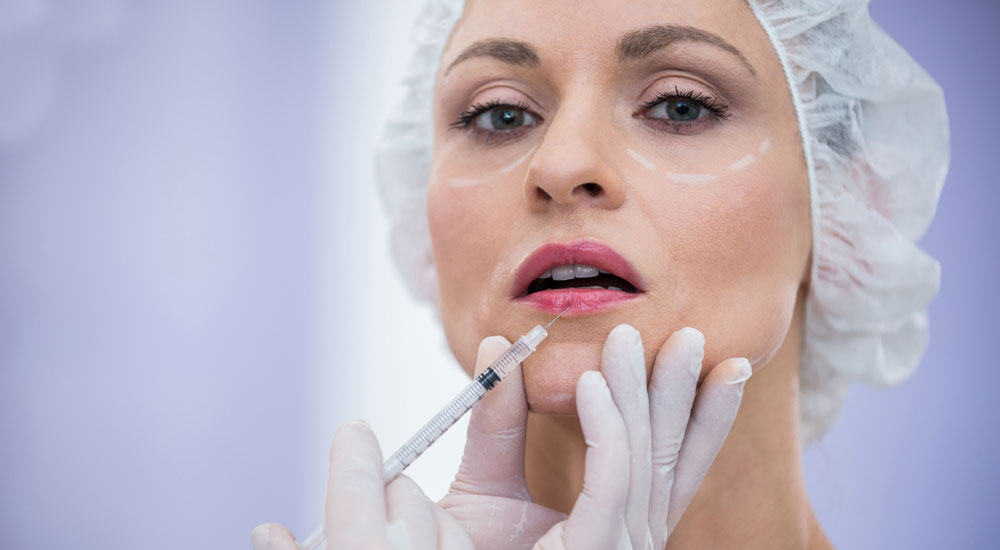
The concept of rejuvenation through autologous methods is deeply rooted in the desire for permanence. While many treatments offer temporary fixes, fat transfer aims for a long-term structural change. By utilizing your own lipids, we create a biological foundation that mimics the natural subcutaneous layer of your skin, providing both volume and a subtle, healthy glow that synthetic alternatives often struggle to replicate.
Why Choose Fat Injection Over Synthetic Fillers?
Many patients ask me why they should opt for fat transfer instead of traditional hyaluronic acid fillers. The answer lies in longevity and texture. While synthetic fillers are excellent for quick fixes, they eventually dissolve. In contrast, once the transferred fat cells establish a blood supply, they can become a permanent part of your anatomy. This makes fat injection an ideal choice for those seeking a more durable solution to volume loss.
Another significant advantage is the biocompatibility of the procedure. Because we are using autologous tissue, the risk of inflammatory responses or granulomas—common side effects of some foreign substances—is significantly reduced. Furthermore, the fat we harvest often contains stem cells that can actually improve the skin quality in the recipient area, providing a secondary benefit of skin texture refinement that fillers simply cannot offer.
Choosing between these methods often depends on your specific aesthetic goals. If you need a very precise, small correction, a filler might suffice. However, for larger volume deficits or a desire for a more “natural” feel, fat transfer is superior. At Op.Dr. Feryal Yıldız, we evaluate each patient’s anatomy to determine if the biological benefits of fat transfer outweigh the convenience of synthetic options.
Common Areas Targeted for Fat Injection
The versatility of fat injection allows us to address various facial and bodily concerns. The primary goal is to restore the youthful contours that naturally diminish with age or weight loss. We typically focus on areas where fat pads have naturally depleted, creating shadows or hollows that contribute to a tired appearance.
Commonly targeted areas include:
- Cheeks and Midface: Restoring fullness to prevent the “sunken” look.
- Temples: Filling the temporal hollows to create a smoother, more rounded forehead profile.
- Lips and Perioral Area: Adding subtle volume and smoothing fine lines around the mouth.
- Under Eyes (Tear Troughs): Reducing the appearance of dark circles and hollow depressions.
- Nasolabial Folds: Softening the lines running from the nose to the corners of the mouth.
Beyond the face, this technique is highly effective for body contouring. We can use the harvested fat to enhance the projection of the buttocks or to smooth out irregularities in the skin surface. The ability to simultaneously “debulk” an unwanted area like the flanks while “rebuilding” another area makes this a dual-purpose aesthetic tool.
Who Is the Ideal Candidate for This Procedure?
The ideal candidate for fat injection is someone with sufficient donor fat available in areas like the abdomen, flanks, or thighs. This procedure is particularly transformative for women in their 30s to 50s who are noticing the first signs of volume depletion. It is also an excellent option for patients who have experienced significant weight loss and are left with hollowed facial features or skin laxity.
We also see great success with patients who have had previous filler treatments and wish to transition to a more permanent, biological solution. However, it is important to note that if you have very little subcutaneous fat to begin with, the results may be less dramatic. During your consultation at
It is worth mentioning that health plays a vital role. Patients with uncontrolled diabetes or active skin infections in the target or donor areas may not be suitable candidates. We prioritize your safety and the long-term success of the graft, which means a thorough medical screening is always the first step in our process.
The Step-by-Step Process: How is Fat Injection Performed?
The procedure is typically performed under local anesthesia or light sedation, depending on the extent of the transfer. The process begins with the “harvesting” phase. Using very fine cannulas, we gently aspirate small amounts of fat from the donor site. This is a delicate process—too much pressure can damage the delicate fat cells, so precision is paramount.
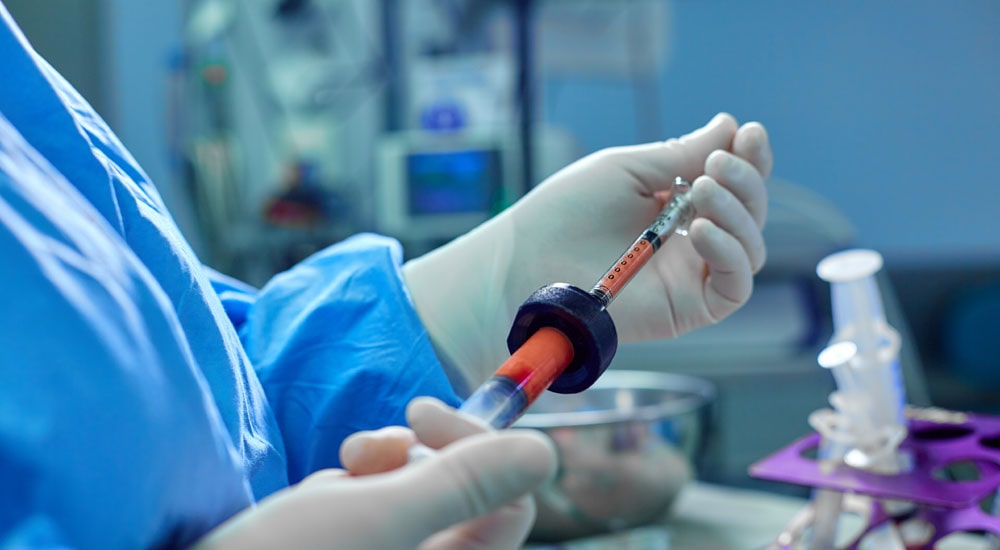
Once the fat is harvested, it undergoes a purification process. We use specialized centrifugation or filtration techniques to separate the pure, healthy adipocytes from blood, oil, and debris. This “cleaning” step is critical; only the most viable cells are selected for injection to maximize the survival rate of the graft.
The final stage is the injection itself. We carefully place the purified fat into the target areas using micro-cannulas. We use a “layering” technique—injecting small droplets rather than large boluses—to ensure that each cell has the opportunity to integrate with the surrounding tissue and establish its own blood supply.
The entire procedure can take anywhere from one to three hours, depending on the volume of fat being moved and the number of areas being treated. Because we use your own tissue, the surgical trauma is minimized, and the focus remains on creating a natural, seamless transition between the injected area and your existing anatomy.
Comparing Fat Injection vs. Dermal Fillers
Deciding between these two modalities is a common dilemma. To help you visualize the differences, I have prepared a brief comparison of the most important factors.
| Feature | Fat Injection (Autologous) | Dermal Fillers (Synthetic) |
|---|---|---|
| Material | Your own living cells | Hyaluronic Acid / Synthetic |
| Longevity | Potentially permanent | 6–18 months |
| Allergy Risk | Virtually zero | Very low, but possible |
| Texture | Natural, soft, organic | Can feel slightly firmer |
Recovery and Post-Operative Care Expectations
Recovery from fat injection is generally much smoother than traditional surgical procedures. Most patients can return to their daily activities within a few days. However, you should expect some swelling and minor bruising around both the donor and recipient sites. This is a normal part of the inflammatory process as the body begins to integrate the new tissue.
To ensure the best possible survival rate for the transferred fat, certain precautions are necessary during the first two weeks:
- Avoid Pressure: Do not sleep on the treated area (e.g., if treating cheeks, sleep on your back).
- Minimize Heat: Avoid saunas, hot baths, or intense sun exposure that could increase swelling.
- Gentle Care: Do not massage the injected areas unless specifically instructed by your surgeon.
- Hydration: Maintain excellent hydration to support tissue healing.
It is important to remember that the final result is not immediately visible. While you will see an initial volume increase, some of that volume is due to swelling. The “true” result—the amount of fat that has actually survived and integrated—becomes apparent after about 3 to 6 months. Patience is key to appreciating the natural transformation.
Frequently Asked Questions
Q: Will the fat disappear after the procedure?
A: Some initial resorption is normal. A certain percentage of the injected fat will be reabsorbed by the body during the first few weeks. However, the cells that successfully establish a blood supply will remain permanent.
Q: Is the procedure painful?
A: Most patients describe the sensation as mild discomfort or pressure rather than sharp pain. We use local anesthesia to ensure you are comfortable throughout the entire process.
Q: How many sessions might I need?
A: Depending on the volume of fat available and the extent of the hollows, a second session may occasionally be required to achieve the full desired volume.
Start Your Journey to Natural Beauty
Achieving a rejuvenated, vibrant appearance should never come at the cost of looking “unnatural.” Fat injection offers a unique opportunity to use your body’s own biological wealth to restore what time has taken away. Whether you are looking to soften deep lines or restore youthful fullness to your face, the precision of autologous transfer provides a level of harmony that synthetic options simply cannot match.
If you are ready to explore how fat injection can transform your aesthetic profile, I invite you to book a personalized consultation. At Op.Dr. Feryal Yıldız, we specialize in creating bespoke results that respect your unique anatomy and enhance your natural beauty. Let us help you rediscover a more rested, confident version of yourself.