Prominent Ear Correction
Achieving Facial Harmony with Prominent Ear Correction
The human face is a delicate balance of proportions, where even small anatomical variations can significantly impact how we perceive ourselves. One such variation is the presence of protruding ears, often referred to as prominent ears. This condition isn’t about hearing loss—the auditory function remains perfectly intact—but rather about the aesthetic angle between the ear and the skull. When this angle is too wide, the ears become a focal point that can feel distracting during social interactions.
In my clinical experience at Op.Dr. Feryal Yıldız, I have seen how much weight a person places on this single feature. A successful prominent ear correction doesn’t aim to create “fake” looking ears; instead, it seeks to bring the auricle into a natural, harmonious position that complements the rest of your facial structure. It is about subtle refinement rather than drastic change. Achieving this balance requires a deep understanding of your unique facial anatomy.
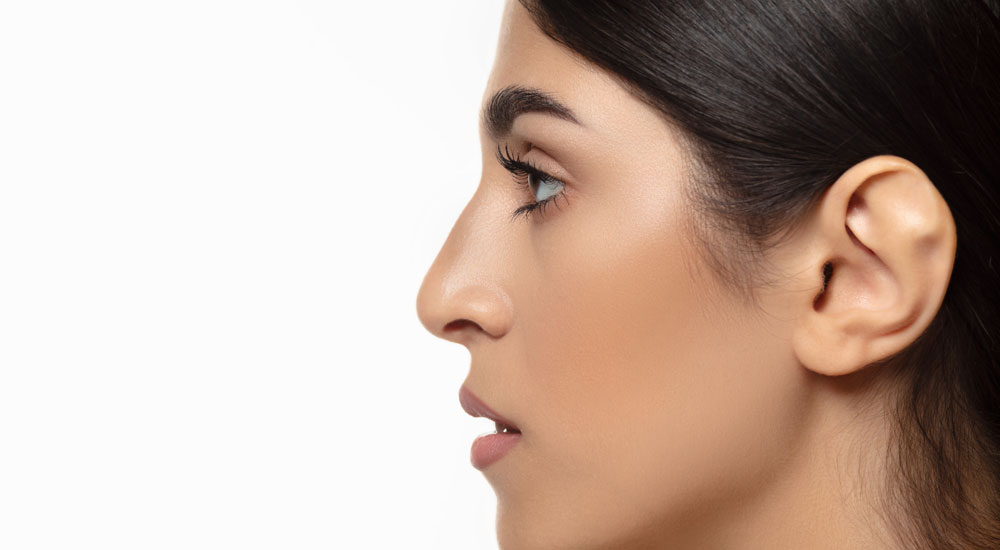
When we talk about facial harmony, we are discussing the relationship between the eyes, nose, lips, and ears. If the ears protrude too far, they disrupt this visual rhythm. By correcting the angle, we allow the eyes and smile to take center stage again. This procedure is not just about physical change; it is about restoring the confidence that comes with feeling “at home” in your own skin.
What is Prominent Ear Surgery?
Prominent ear surgery, medically known as otoplasty, is a specialized procedure designed to reshape the external ear. The goal is to adjust the cartilage structure to bring the ears closer to the head. This involves carefully repositioning the antihelical fold—the curved part of the ear—and reducing any excess skin or cartilage prominence that causes the “protruding” look.
The procedure is highly precise. We focus on the anatomy of the concha and the helix to ensure the new shape looks organic. During the surgery, I use fine sutures to create a new fold in the cartilage, which provides the necessary structural support to keep the ear tucked closer to the skull. It is a delicate dance of tension and placement.
Many patients ask if the surgery is invasive. While it is a surgical intervention, the incisions are typically hidden behind the natural folds of the ear, making scars virtually invisible once healed. This discretion is a priority in my practice, ensuring that the only thing people notice is your refreshed, balanced appearance.
Why is Prominent Ear Surgery Performed?
The primary motivation for prominent ear correction is almost always aesthetic and psychological. While some individuals may seek it for functional reasons—such as preventing ear injuries during contact sports—the vast majority of my patients seek to resolve the self-consciousness associated with protruding ears. This feeling often starts in childhood but can persist well into adulthood, affecting social confidence.
Beyond the surface, the surgery serves to:
- Reduce the visual prominence of the ears in profile views.
- Correct asymmetrical ear shapes that create facial imbalance.
- Minimize the psychological burden of being “self-conscious” about one’s appearance.
- Create a more streamlined, athletic, or balanced facial silhouette.
I often tell my patients that the goal is not to change who they are, but to remove a feature that they feel “distracts” from their true self. When the ears are properly positioned, the face feels more cohesive. This sense of relief is often the most rewarding part of the recovery process for those I treat at Op.Dr. Feryal Yıldız.
What are the Reasons That Cause Prominent Ear?
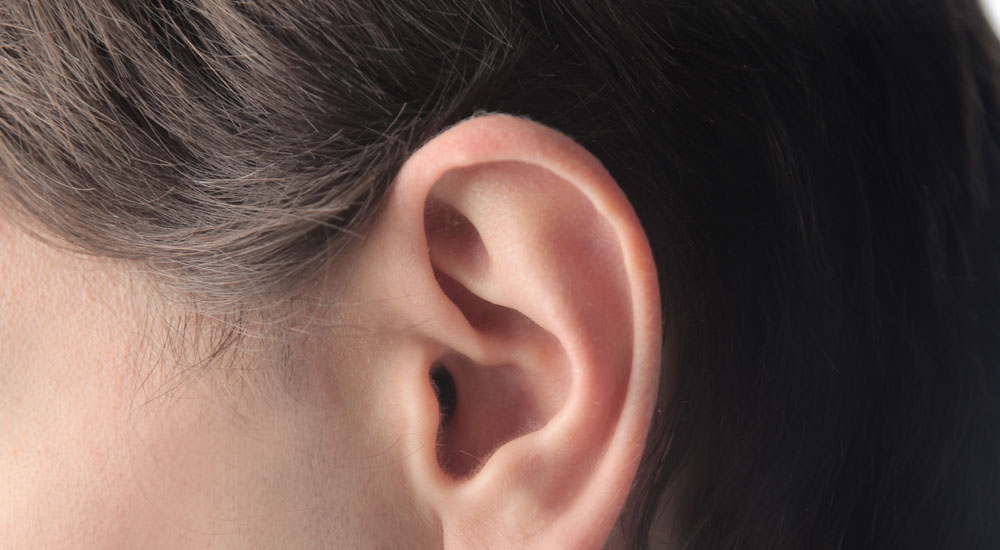
The reasons behind prominent ears are usually rooted in genetics and developmental anatomy. It is rarely a condition that develops later in life; rather, it is present from birth. The shape of the ear is determined by how the cartilage folds during fetal development. If the antihelical fold fails to form properly, the ear lacks the “tuck” needed to stay close to the head.
Common anatomical causes include:
- Conchal Hypertrophy: An oversized concha (the bowl-shaped part of the ear) that pushes the ear outward.
- Weak Antihelical Fold: A lack of definition in the cartilage ridge that keeps the ear folded.
- Prominent Helix: An outer rim that is too large or lacks the necessary curvature.
Understanding these specific anatomical nuances is vital. During your initial consultation, I examine these specific areas to determine if we need to reduce cartilage volume or simply reposition the existing structure. Every ear is a unique puzzle, and the solution must be just as unique.
Who Is Prominent Ear Surgery Suitable For?
Prominent ear correction is suitable for anyone—from children to adults—who is unhappy with the protrusion or shape of their ears. While many parents seek otoplasty for their children (often after age 5 or 6 when the cartilage has stabilized), I see a significant number of adult patients. These are often individuals who have lived with this feature for decades and are finally ready to address it.
The ideal candidate is someone with realistic expectations. You should be looking for a natural result that complements your face, not a radical transformation that looks artificial. Additionally, being in good overall health and being a non-smoker significantly aids the healing process and ensures the best possible surgical outcome.
If you are an adult patient, you might be looking for a way to feel more confident in professional settings or social gatherings. If you are a parent, you might be looking to prevent the emotional distress your child might feel. In both cases, the focus remains on a safe, precise, and aesthetically pleasing result.
What Does Prominent Ear Surgery Do for Your Appearance?
The impact of a successful otoplasty is often described as “subtle yet profound.” It doesn’t change your features; it simply repositions them. By bringing the ears closer to the head, the face appears more streamlined. This can actually make the forehead or cheekbones appear more prominent in a flattering way, as the “distraction” of the protruding ears is removed.
Visually, the profile view undergoes the most significant change. The “wing-like” appearance disappears, replaced by a smooth transition from the temple to the ear. This creates a sense of facial symmetry that is often much more balanced. It is a refinement of the facial silhouette that enhances your natural beauty without altering your identity.
The Surgical Process and Recovery
The procedure is typically performed under local anesthesia with sedation or general anesthesia, depending on the patient’s age and preference. The surgery usually takes between 1 to 2 hours. I make small incisions, usually hidden within the natural creases of the ear, to minimize any visible scarring. The precision of these incisions is what allows for such a natural-looking result.
Recovery is generally straightforward, but it requires diligence. For the first week, you will likely need to wear a protective headband or compression bandage—especially during sleep—to ensure the new cartilage position is maintained. You should avoid strenuous activities or contact sports for at least 3-4 weeks to prevent any trauma to the healing site.
Most patients can return to work or school within 7 to 10 days. While some swelling and bruising are expected, these subside relatively quickly. I monitor my patients closely during the post-operative period to ensure the healing is progressing exactly as planned, addressing any concerns regarding the shape or the incision sites immediately.
Comparing Otoplasty with Other Ear Procedures
It is important to distinguish otoplasty from other ear-related surgeries. While they may seem similar, their goals and techniques differ significantly. Below is a comparison to help you understand which approach might be right for your specific anatomical needs.
| Procedure | Primary Goal | Key Technique |
|---|---|---|
| Otoplasty | Reduce protrusion/reposition ear | Cartilage reshaping & folding |
| Conchal Reduction | Reduce ear depth | Removing excess cartilage volume |
| Earlobe Repair | Fix stretched/torn lobes | Suturing and tissue repositioning |
Frequently Asked Questions
How long does the effect of prominent ear correction last?
The results of otoplasty are permanent. Because we are physically reshaping the cartilage and creating new structural folds, the ears will stay in their new position for a lifetime, provided the healing process is managed correctly.
Will there be visible scars?
The incisions are strategically placed behind the ear or within the natural folds of the antihelix. Once fully healed, these scars are extremely difficult to detect, even upon close inspection.
Is the procedure painful?
While there is some discomfort and swelling following the surgery, it is typically manageable with standard over-the-counter pain relief. Most patients find the discomfort much less than they initially anticipated.
Start Your Journey to Facial Harmony
Deciding to undergo any aesthetic procedure is a significant step. If you feel that prominent ears are affecting your confidence, please know that you don’t have to navigate this decision alone. At Op.Dr. Feryal Yıldız, we prioritize your comfort, your privacy, and, most importantly, your natural beauty. My goal is to provide a result that feels like a natural extension of your existing features.
I invite you to schedule a personalized consultation. Together, we will examine your anatomy, discuss your aesthetic goals, and create a customized surgical plan that ensures you achieve the harmony you desire. Let’s work toward a version of you that feels truly confident.