Tummy Tuck
Redefining Your Silhouette with Advanced Tummy Tuck Surgery
Achieving a flat, toned abdomen is often more than just a cosmetic desire; for many, it is about reclaiming confidence after life-altering physical changes. Tummy tuck surgery, medically known as abdominoplasty, goes far beyond simple fat removal. It is a sophisticated surgical procedure designed to address the complex layers of the abdominal wall, including loose skin, stubborn subcutaneous fat, and weakened muscle structures.
Whether you are dealing with the aftermath of significant weight loss or the natural changes that follow pregnancy, a well-executed tummy tuck can reshape your entire midsection. At Op.Dr. Feryal Yıldız, we focus on creating a natural, contoured look that complements your unique anatomy. This procedure doesn’t just tighten the skin—it restores the structural integrity of the abdomen, providing a smoother and firmer appearance that exercise alone often cannot achieve.
What exactly is Tummy Tuck Aesthetics?
Abdominoplasty is a comprehensive reconstructive and aesthetic procedure. Unlike liposuction, which only targets fat cells, a tummy tuck addresses the “sagging” aspect of the abdomen. The surgery involves removing excess, redundant skin and tightening the underlying abdominal muscles—specifically the rectus abdominis—that have become stretched or separated (a condition known as diastasis recti).
During the process, the surgeon carefully reshapes the abdominal contour. By suturing the muscles back into a tighter position, we create a much firmer foundation for the skin to rest upon. This prevents the “bulging” effect often seen in patients with weakened core muscles. The result is a flatter, more athletic-looking abdomen that feels much more stable and aesthetically pleasing.
Why is Abdominoplasty done?
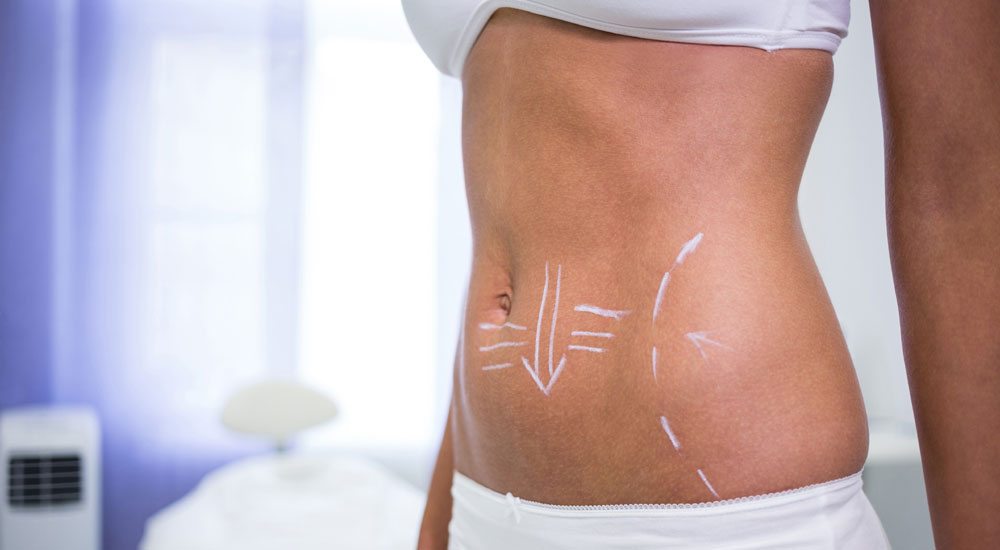
The motivations for seeking a tummy tuck are as diverse as the patients themselves. Many women seek this surgery after the physical toll of pregnancy, where the abdominal wall has been significantly stretched. Others undergo the procedure following massive weight loss—often after bariatric surgery—where large amounts of loose, hanging skin remain despite intense gym routines.
Common reasons for choosing this surgery include:
- Correction of Diastasis Recti: Repairing the separation of abdominal muscles to restore core strength and flatness.
- Removal of Redundant Skin: Eliminating the “apron” or pannus of skin that hangs over the pelvic area.
- Fat Redistribution: Addressing stubborn pockets of fat that are resistant to diet and exercise.
- Post-Pregnancy Reconstruction: Restoring the abdominal contour lost during childbirth.
What Are the Different Kinds of Tummy Tuck Aesthetics?
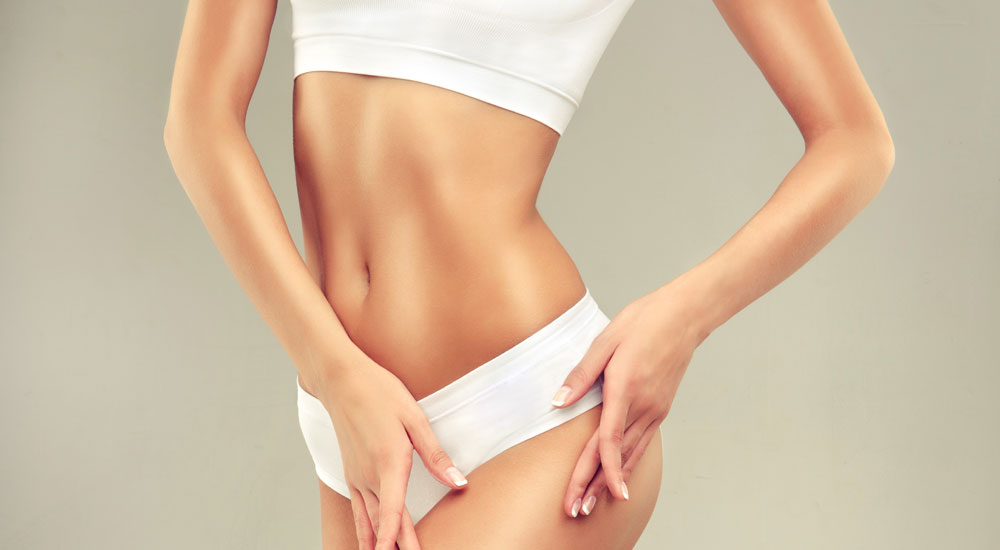
Not every abdomen requires the same surgical approach. Depending on your skin elasticity and the amount of excess tissue, we may recommend different techniques. A “Mini Tummy Tuck” is often suitable for patients with localized skin laxity just below the navel, involving smaller incisions and less downtime. This is ideal for those who do not have significant muscle separation.
For more extensive needs, a “Full Abdominoplasty” is the gold standard. This involves a larger incision, usually extending from hip to hip, allowing us to address the entire abdominal region, including the area around the belly button. In some cases, an “Extended Tummy Tuck” is necessary to address skin laxity that reaches toward the flanks or hips, ensuring a seamless transition into the waistline.
What is the procedure for abdominoplasty?
The surgical journey begins with a detailed consultation where we map out your specific anatomical needs. Once the surgery begins, under general anesthesia, an incision is made—typically low on the abdomen, hidden by the bikini line. The surgeon then lifts the skin to access the underlying muscle layers. This is where the real transformation happens: the muscles are tightened, and any excess fat is removed.
After the muscles are repositioned, the excess skin is trimmed away. The remaining skin is then carefully sutured back into place, creating a smooth, taut surface. The navel (umbilicus) is then repositioned through a new opening to ensure a natural look. The precision of these incisions is vital for minimizing visible scarring and ensuring the new abdominal contour looks organic and unoperated.
What Are the Consequences of Abdominoplasty?
While the results are transformative, it is essential to understand the recovery phase. Abdominoplasty is a major procedure, and your body needs time to heal. You may experience swelling, bruising, and some discomfort in the abdominal muscles—much like the feeling of an intense core workout. Most patients find that wearing a compression garment is crucial during the first few weeks to minimize swelling and support the new shape.
Potential risks, though rare when performed by a skilled surgeon, include infection, scarring, or fluid accumulation (seroma). It is vital to follow all post-operative instructions strictly. For instance, avoiding heavy lifting for at least 6 weeks is non-negotiable to prevent putting undue tension on the new incisions and muscle repairs.
Comparing Tummy Tuck vs. Liposuction
Many patients confuse these two procedures, but they serve very different purposes. Choosing the wrong one can lead to disappointment if your goal is skin tightening.
| Feature | Liposuction | Tummy Tuck (Abdominoplasty) |
|---|---|---|
| Primary Goal | Fat removal | Skin tightening & muscle repair |
| Skin Laxity | Does not fix loose skin | Removes and tightens excess skin |
| Muscle Repair | No effect on muscles | Repairs diastasis recti |
| Recovery Time | Short (days) | Longer (weeks) |
Frequently Asked Questions
How long will my scars last?
Initially, the incision will be visible, but over 6 to 12 months, it fades significantly. We place the incision low enough that it can be hidden by standard swimwear or underwear.
Can I get pregnant again after a tummy tuck?
Yes, you can. However, pregnancy can stretch the abdominal muscles and skin again, potentially reversing the results of the surgery. We recommend waiting until your family is complete.
When can I return to work?
Most patients return to sedentary office work within 2 weeks, but strenuous physical activity should be avoided for at least 4 to 6 weeks.
Start Your Transformation Today
The journey to a more confident you begins with a single, informed decision. If you are tired of hiding your midsection under loose clothing and are ready to embrace a firmer, smoother silhouette, we are here to guide you through every step of the process. At Op.Dr. Feryal Yıldız, we prioritize your safety, your comfort, and your aesthetic goals.
Don’t let hesitation hold you back from the body you deserve. Contact us today to schedule your personalized consultation and discover how our advanced surgical techniques can help you achieve lasting results.